
All-on-4 Dental Implants: Understanding The Full-Arch Restoration Procedure

Postoperative Care, Maintenance, and Long-Term Considerations for Full-Arch Four-Implant Restorations
Postoperative follow-up typically includes scheduled clinical reviews to monitor soft tissue healing, prosthesis function, and peri-implant conditions. Maintenance protocols commonly recommend regular professional evaluations that may include radiographic assessments to track marginal bone levels and to detect early peri-implant changes. Oral hygiene training and adjunctive tools such as interdental brushes or water irrigation devices are often discussed to help patients maintain implant and prosthesis longevity. Long-term maintenance is framed as a collaborative effort between the clinician, laboratory, and patient.
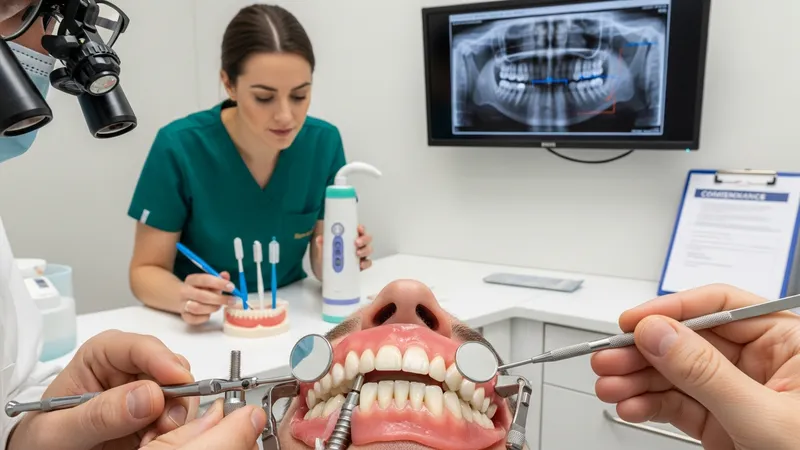
Management of complications is approached as part of standard clinical practice; clinicians may monitor for signs of prosthetic screw loosening, occlusal wear, or soft tissue inflammation and address them through adjustment, repair, or additional interventions as indicated. Where peri-implant mucositis or peri-implantitis is suspected, non-surgical and surgical management strategies may be considered based on clinical findings. These management pathways are typically individualized and may involve both restorative and surgical disciplines to optimize outcomes.
Reported implant survival and prosthesis success in the literature vary by study design and follow-up period; many cohort reports and systematic reviews describe survival rates that in some settings commonly exceed 90% over five to ten years, while acknowledging variability across patient populations and protocols. Such figures are often presented as general observations rather than guarantees, and clinicians usually interpret published outcomes in the context of patient-specific factors, surgical technique, and prosthetic maintenance practices.
Long-term considerations also include planning for prosthesis repair or replacement over time, as materials can wear and screw-retained connections may require periodic maintenance. Patient education about dietary habits, parafunctional habits, and signs that warrant prompt assessment is commonly provided. Future follow-up sections and case reviews often focus on maintenance regimens, realistic timelines for prosthetic refurbishment, and strategies to monitor peri-implant health while adapting care to individual clinical courses.