
AI Security Tools: How Intelligent Systems Identify And Assess Digital Risks

Operational Integration, Evaluation, and Governance for AI-Based Risk Identification and Assessment
Deploying AI security tools into operational environments commonly involves phased integration, validation, and governance steps. Pilot deployments often run models in parallel with existing detection systems to compare outputs without affecting live workflows. This approach may reveal practical issues such as telemetry gaps, latency, or unexpected false positives. Integration with ticketing and case management systems typically supports analyst workflows, while documented procedures for model updates and rollback are recommended as part of prudent operational practice.
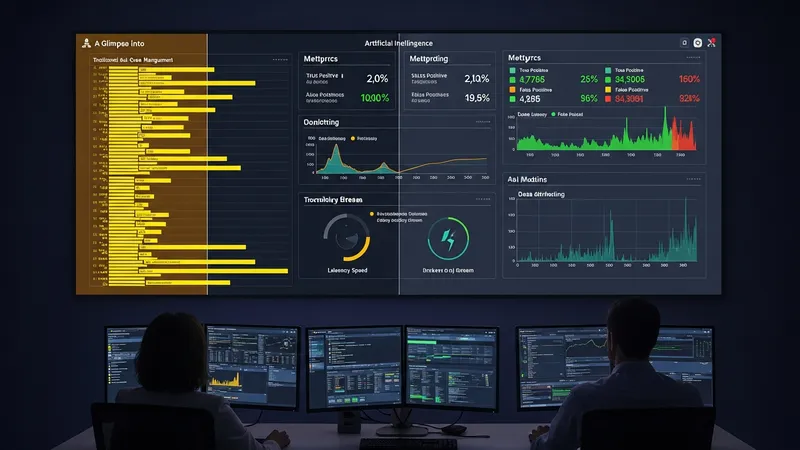
Model evaluation and monitoring focus on performance metrics and drift detection. Typical metrics include true positive and false positive rates, alert volumes, and mean time to detection. Continuous monitoring can detect when models produce increasing false positives or when data distributions shift, indicating a need for retraining or feature adjustment. Such monitoring is usually implemented as an ongoing activity rather than a one-off check to ensure models remain effective as environments change.
Governance and explainability are central to maintaining trust and compliance. Explainable outputs, provenance records, and audit trails assist in regulatory reviews and internal accountability. Policies that specify acceptable data use, retention intervals, and access controls help align analytics with privacy and legal requirements. Where automated actions are possible, governance often prescribes human review for higher-risk categories to preserve oversight and reduce the chance of inappropriate automated interventions.
Continuous improvement practices typically combine analyst feedback, simulated testing, and periodic policy review. Feedback from incident investigations can be used to refine detection rules and model features, while tabletop exercises may surface gaps in integration or response playbooks. These iterative activities help align AI-driven identification and assessment with evolving threat landscapes and operational needs, emphasizing sustained governance and evaluation over time.