
AI Recruiting Agents: How HR Teams Automate Candidate Sourcing And Screening

Cost factors, integration, and operational considerations for AI recruiting agents
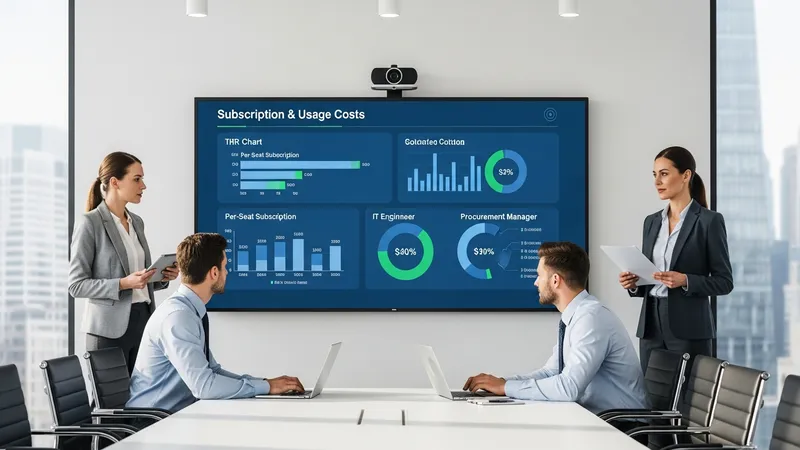
Costs for AI recruiting agents in the United States can vary by pricing model and scope of features. Typical commercial models include per-seat subscriptions, enterprise licenses with yearly fees, or usage-based pricing tied to volumes of processed applicants or API calls. Larger U.S. organizations often negotiate enterprise agreements that cover integrations, support, and customization, while smaller teams may select modular services with lower up-front costs.
Integration considerations in U.S. environments often center on compatibility with applicant tracking systems such as Greenhouse, iCIMS, Workday, and integrations with calendar systems for scheduling. Technical factors include API availability, data mapping complexity, and the need for secure data transfer. Implementation timelines can range from a few weeks for simple connectors to several months for custom embeddings and workflow changes.
Operational readiness topics for U.S. HR teams include change management for recruiters, training on interpretation of agent outputs, and establishing processes for human oversight. Teams often develop internal playbooks that describe when automated suggestions should be followed, how to handle flagged candidates, and how to escalate suspected model issues to technical or compliance teams.
Longer-term considerations may include the cost of ongoing monitoring, model maintenance, and periodic retraining to reflect evolving role requirements. U.S. HR teams frequently budget for these activities and plan governance structures that include stakeholders from HR, legal, and IT to ensure sustained, documented operation rather than one-off deployment.