
AI Marketing Automation: Key Features, Use Cases, And Implementation Steps

Integration and implementation steps: Key Features, Use Cases, and Implementation Steps
Initial integration steps commonly begin with data discovery and mapping: identifying customer data stores, event sources, and channel endpoints. In South Korea, typical sources include in-house transaction databases, Kakao message logs, Naver analytics, and e-commerce records from platforms like Cafe24. Teams often create a schema mapping that translates local identifiers into a unified customer profile. This preparatory work can reduce errors during model training and help ensure that automated triggers fire on the intended events.
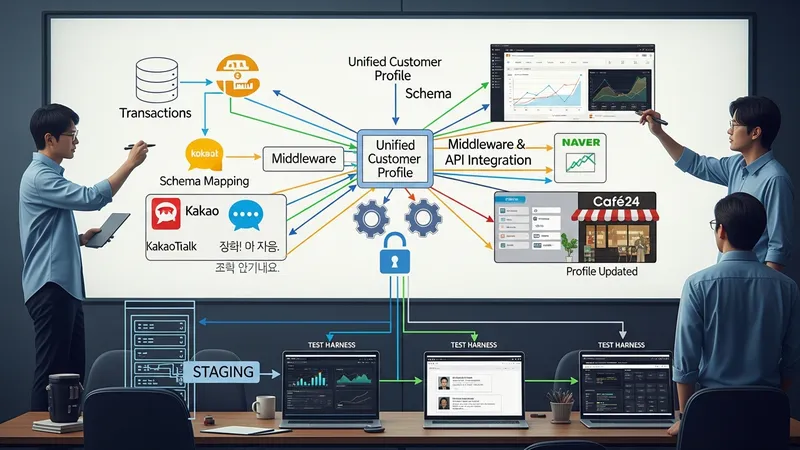
Following data mapping, implementation usually involves API integrations, middleware configuration, and testing. Domestic APIs may require business registration and specific authentication methods; for example, Kakao Enterprise APIs have defined procedures for message templates and account verification. Testing phases often simulate customer events and validate that messages adhere to content rules and character limits for Korean text. Teams typically include staged environments to limit accidental customer contact during development.
Model deployment and lifecycle steps include selecting feature sets, training models on representative Korean-language and transaction data, and establishing retraining cadences. Performance monitoring may track prediction accuracy, calibration for propensity scores, and downstream campaign impact. In a South Korea setting, practitioners commonly reserve a recent time window of local transactions to validate models and adjust for seasonal patterns such as national holidays that affect consumer behavior.
Operational handoff and governance cover operational monitoring, consent management, and periodic reviews. Implementation steps here often define roles for marketing, data engineering, and legal teams to review message content and data practices. Organizations may document data retention policies aligned with South Korean guidance and set up logs for auditing message sends and customer consent status. These governance measures aim to sustain reliable automation while aligning with domestic compliance expectations.