
AI Marketing Automation: Key Features, Use Cases, And Implementation Steps

Feature categories in AI marketing automation: Key Features, Use Cases, and Implementation Steps
Feature sets for marketing automation commonly include audience segmentation, predictive scoring, message orchestration, and reporting. In South Korea, segmentation may rely on identifiers unique to local ecosystems, such as Kakao account IDs or Naver profiles, and support for Korean text analysis can alter feature priorities. Predictive scoring often uses transaction histories from domestic e-commerce platforms and browsing data aggregated via local analytics providers. When choosing features, teams typically map required outcomes to available data sources and consider latency and throughput needs for real-time triggers.
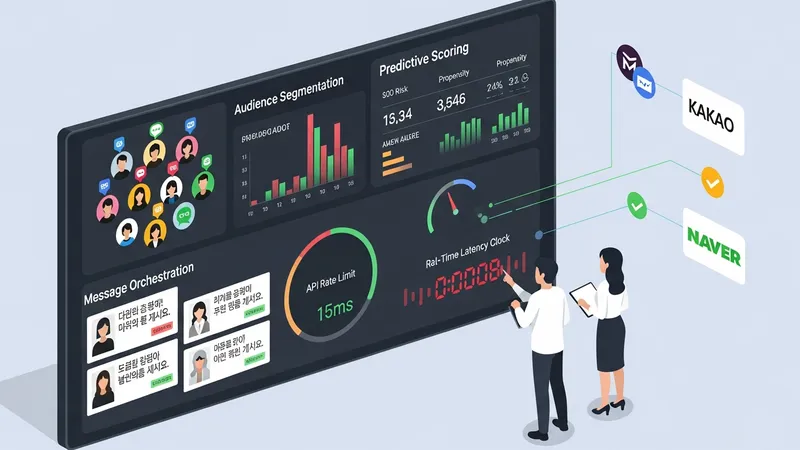
Another important category is channel connectivity and message formatting. Domestic channels such as KakaoTalk have specific message templates, length limits, and delivery conventions that differ from e-mail or SMS. Integration with these channels may use official APIs from Kakao or Naver and often requires verification steps. Implementation steps usually include registering official business accounts, configuring templates, and setting rate limits; these steps can affect rollout timelines and testing procedures in a Korean operational context.
Analytics and measurement features often combine event-level tracking with aggregated reporting. In South Korea, common metrics may include in-channel click rates, conversion via local payment processors, and revenue attribution on domestic marketplaces. Teams often design dashboards that present performance by channel (Kakao, Naver, direct web) and by campaign type. Implementation of measurement may require server-side event forwarding and reconciliation between platform reports and internal databases to reduce attribution inconsistencies.
Security and compliance features address consent management, data minimization, and access controls. South Korean regulations and guidance from bodies such as the Personal Information Protection Commission (PIPC) influence how personally identifiable data is stored and processed. Implementation steps commonly include building consent records, mapping data flows for audits, and applying retention limits. These steps often shape architecture decisions, such as whether processing occurs in-country or in specific cloud regions provided by local vendors.