
AI Learning Devices: How Artificial Intelligence Enhances Educational Tools

Adaptive Learning Algorithms in AI Learning Devices
Adaptive learning algorithms form a foundational component of many AI-powered educational tools. These systems use data analytics to detect patterns in user performance and modify instructional content accordingly. By surveying how students interact with problems, adaptive algorithms can adjust the sequence, complexity, or repetition of learning materials to better align with the learner’s demonstrated understanding and pace.
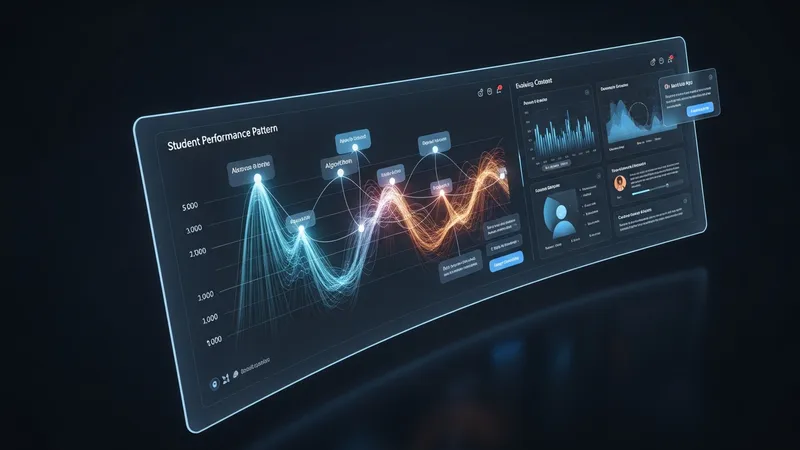
Most adaptive learning devices implement models that factor in incorrect answers, skipped questions, and response times. If a student repeatedly answers certain questions incorrectly, the device may offer explanatory hints, break down problems into smaller steps, or shift focus to prerequisite concepts. This approach is designed to offer just-in-time support while preventing frustration or disengagement from repetitive mistakes.
Within platforms such as DreamBox Learning, adaptive algorithms extend to fine-grained environmental adjustments, including changes in question format or the introduction of contextual visual aids. Adjustments are typically automated based on real-time analysis, aiming to address gaps in foundational knowledge before advancing to new concepts. The intention is to keep each learner within an optimal challenge range, which may be referred to as a “zone of proximal development.”
Feedback systems built into AI learning devices often supplement adaptive algorithms with brief assessments or summary questions after key lessons. These checkpoints are designed to confirm understanding and determine if the user is ready to progress. While adaptive algorithms cannot fully replicate the adjustments made by human instructors, they provide scalable ways for large groups of learners to receive instruction that accounts for individual variations.