
AI In Production Control: Enhancing Workflow Efficiency And Automation

Approaches to Implementing AI Tools in Production Control Environments
Implementations of AI in production control often begin with pilot projects targeting specific production lines or processes. These pilots enable data collection and model training under controlled conditions. Insights gained inform broader rollouts or adjustments of AI configurations.
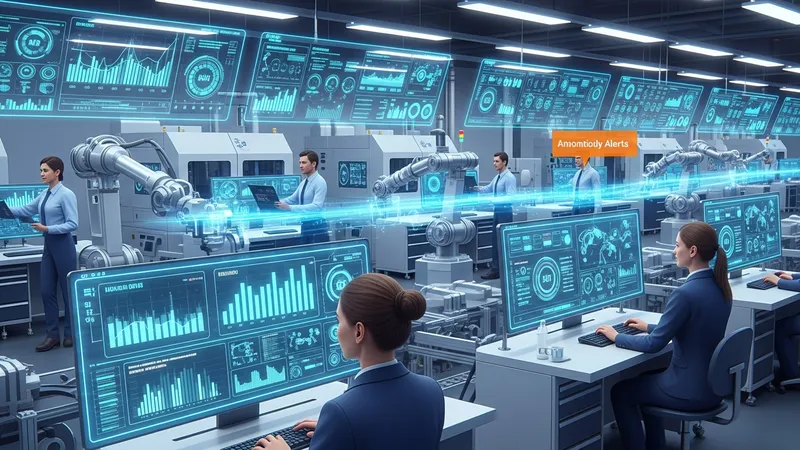
Another approach involves integrating AI modules incrementally within existing production control systems. This method may reduce disruption by maintaining familiar tools while gradually enhancing functionality with AI features such as predictive analytics or anomaly detection.
Some organizations adopt comprehensive platforms offering end-to-end AI-enabled production control capabilities. These systems typically bundle data integration, machine learning, and user interface components. While such solutions might be more complex to deploy, they could facilitate thorough process automation.
In contrast, open-source or modular AI solutions allow customization tailored to specific operational requirements. These approaches may offer flexibility but often require dedicated expertise for development and maintenance. Selecting the appropriate approach depends on organizational readiness and production complexity.