
AI In Production Control: Enhancing Workflow Efficiency And Automation

Typical Benefits Observed with AI in Production Control
Industries applying AI in production control may observe enhancements in several operational aspects. These include improved forecasting accuracy, enabling better alignment of production volumes with demand fluctuations. Such capabilities can reduce excess inventory and prevent stockouts.
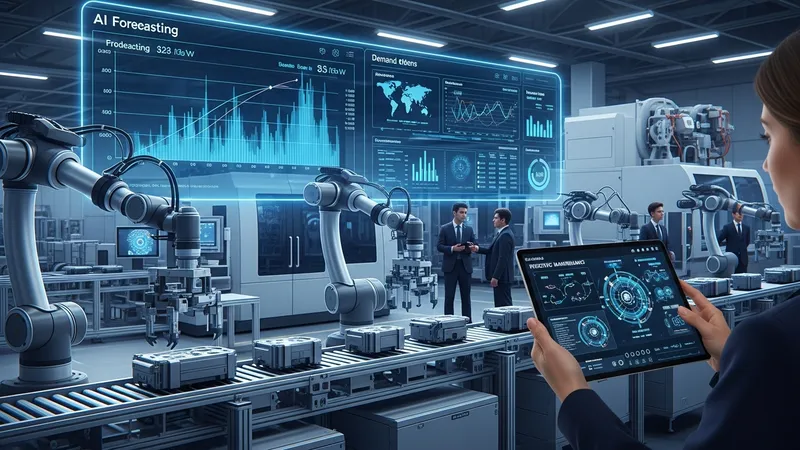
Another possible benefit is enhanced equipment utilization through predictive maintenance scheduling. AI models typically analyze sensor data to identify potential faults before failure occurs, which may minimize unplanned downtime and maintenance costs.
Resource optimization often improves as AI systems adjust workforce allocation and material flow based on evolving conditions. For example, reassigning tasks dynamically could reduce idle times and balance workloads across shifts. This adaptability may contribute to smoother production flow and efficiency gains.
Furthermore, real-time monitoring and automated alerts provide early identification of quality deviations or operational bottlenecks. Prompt detection allows teams to address issues more quickly, potentially reducing waste and improving overall product standards.