
AI In Gaming: How Artificial Intelligence Drives Game Design Innovation

Role of AI in Dynamic World and Content Generation
Dynamic world generation enabled by AI includes producing game environments, assets, or events that change in response to player interactions or procedural factors. Procedural generation techniques often utilize algorithms that automate level or item creation, providing varied gameplay across sessions. For instance, many games developed in the United States incorporate these methods to create expansive open-world maps that differ for each player, enhancing exploration and content longevity.
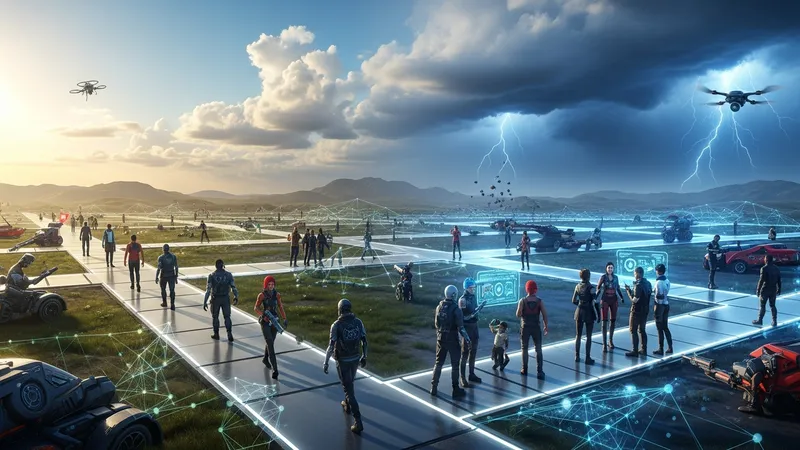
AI-driven environmental changes can respond to player progress or choices, including altering weather, lighting, or NPC placements to affect gameplay ambiance and strategy. These systems rely on rule-based AI or event-driven triggers linked to player behavior statistics. Although highly variable, their use contributes to immersive game narratives by making worlds feel alive and reactive rather than static.
Randomized content generation supported by AI may include spawning enemy encounters, loot drops, or quest objectives. These elements typically follow probabilistic models designed to maintain balance and fair play. Game designers often define parameters within which the AI operates to prevent overly frequent extreme randomness or imbalance. This approach may be particularly relevant in games designed for replayability and sandbox-style interaction common in the United States market.
Integrating AI for world and content generation requires consideration of technical constraints, including processing overhead and storage. Real-time procedural generation demands efficient algorithms to avoid negatively impacting game performance. Careful design ensures that dynamically created content aligns with overall thematic and narrative goals. As tools and engine capabilities evolve, AI contributions to content generation are expected to gradually increase in scope and sophistication.