
AI In Gaming: How Artificial Intelligence Drives Game Design Innovation

AI-Driven Adaptive Difficulty and Player Experience
Adaptive difficulty systems aim to modify gameplay challenge based on player performance metrics collected during a session. These systems may analyze factors such as completion times, accuracy, or resource management effectiveness. In several United States-developed games, adaptive difficulty can result in dynamic scaling of enemy strength, puzzle complexity, or resource availability to sustain player engagement without direct input from developers during gameplay.
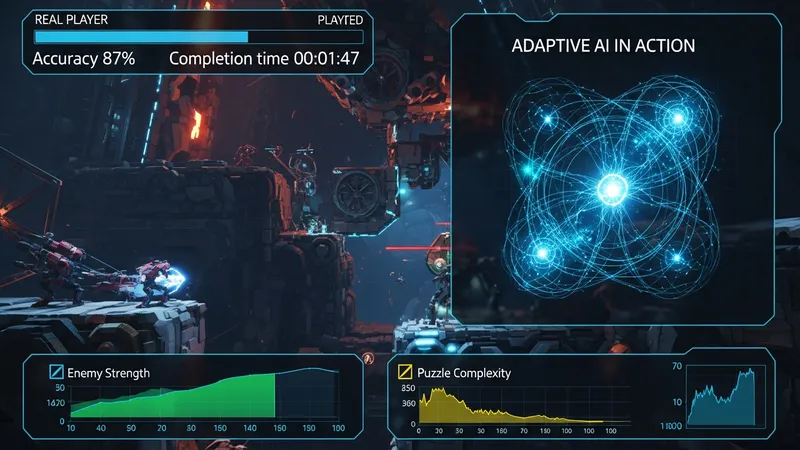
Techniques for adaptive difficulty often incorporate feedback loops where the game recalibrates challenge levels continuously or at specific intervals. AI algorithms may apply rulesets or probabilistic models to determine adjustments that avoid abrupt difficulty spikes or drops, aiming for a smooth gameplay flow. The design of these systems involves trade-offs between maintaining player interest and preventing frustration, requiring extensive testing and player analytics.
Some games integrate machine learning models that predict player skill progression and adjust future challenges accordingly. These predictive systems might use data from previous play sessions to tailor the experience for returning players. Although adoption is growing in the United States gaming market, challenges around model accuracy and processing constraints still exist, especially in real-time gameplay environments.
Adaptive difficulty may also contribute to accessibility by allowing players with different abilities to experience games at comfortable challenge levels. While not always explicitly marketed as accessibility features, these adjustments could support broader player inclusivity. Regulatory and community frameworks in the United States encourage inclusive design practices, which may indirectly influence the development of adaptive AI systems.