
AI Bookkeeping Automation: How Software Transforms SMB Financial Management

Key Features of AI Bookkeeping Automation Software for SMBs
AI bookkeeping software for SMBs in the United States consistently incorporates certain core features. Foremost among these is automated transaction categorization, where the system analyzes the nature of each incoming transaction and matches it to relevant chart-of-accounts entries. Over time, machine learning modules may increase the accuracy of this categorization, as they learn from corrections or manual adjustments made by human users.
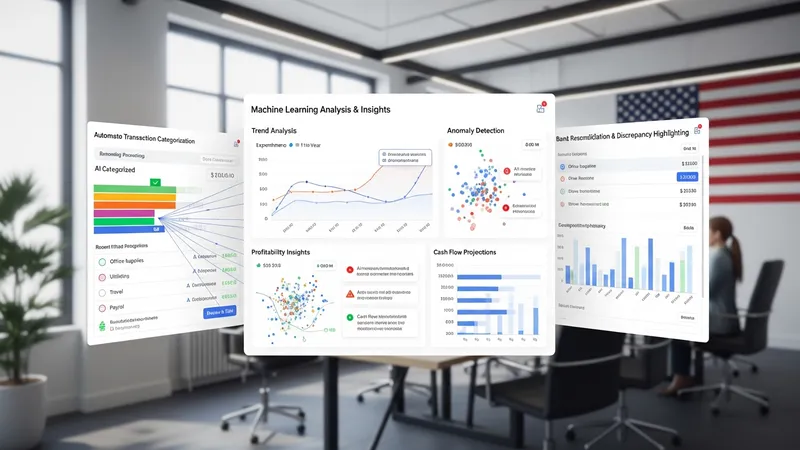
Another principal component of these platforms is bank reconciliation automation. Instead of comparing receipts and bank statements manually, the software automatically matches transactions, identifies discrepancies, and highlights potential issues for review. This process can significantly reduce reconciliation times and help improve consistency, though user oversight may still be recommended for high-impact items or unfamiliar transactions.
Many tools also offer custom reporting capabilities, allowing SMBs to generate income statements, balance sheets, and cash flow summaries with a few steps. These reports are often configurable to suit different regulatory, managerial, or tax purposes. Integration with tax filing systems may enable more straightforward year-end processing, although businesses typically maintain a review process to confirm all figures before finalization.
AI bookkeeping solutions frequently support multi-user access and permissions management, enabling organizations to manage who can view or edit financial data. Audit logs and activity histories are commonly recorded, giving SMB owners and accountants visibility into every system change or adjustment. This capability can be essential for businesses required to demonstrate internal controls or respond to audits by regulatory entities.