
Aerospace And Defense: Insights Into Emerging Technologies And Developments

Aerospace and Defense: Technology Integration and Digital Advancements
Digital transformation is a central theme in contemporary aerospace and defense developments. Aircraft such as the F-35 Lightning II exemplify the use of embedded software, cybersecurity features, and continuous data link updates, which collectively support network-centric warfare and decision-making. Enhanced simulation and training systems, underpinned by digital twins and virtual reality, may further improve pilot readiness and maintenance accuracy.
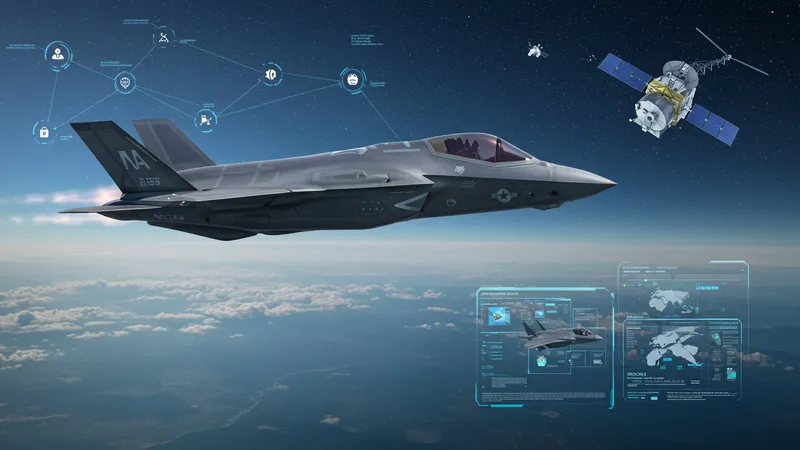
Communications technology in space has advanced with the deployment of satellite constellations like Starlink. These networks often employ phased array antennas and automated traffic management to provide uninterrupted coverage. The ability to quickly reroute signals in response to disruptions can be critical for military resilience and for maintaining service in remote or contested environments.
The use of artificial intelligence (AI) and machine learning is proliferating across defense platforms and satellite operations. AI may assist with threat detection, pattern recognition, and autonomous navigation, enabling assets to react faster and with greater precision. In satellite applications, AI can optimize network performance, predict failures, and adapt configurations to changing operational demands.
Integration of multiple technologies demands robust cybersecurity measures and rigorous testing protocols. As vulnerabilities may evolve alongside technological advancements, ongoing security assessments and software updates are essential to maintaining the integrity of aerospace and defense systems. Cross-domain integration can introduce additional complexity, underscoring the importance of comprehensive systems engineering practices.