
Aerospace And Defense: Insights Into Emerging Technologies And Developments

Aerospace and Defense: Core Functions and Operational Applications
Aerospace and defense systems such as the F-35 Lightning II are designed to perform a range of tasks under complex operational conditions. These platforms are equipped with advanced avionics and stealth features, enabling them to engage in multi-domain operations that can include air superiority missions, reconnaissance, and close air support. Their integration with command and control systems provides real-time situational awareness, which may improve responsiveness and coordination among allied forces.
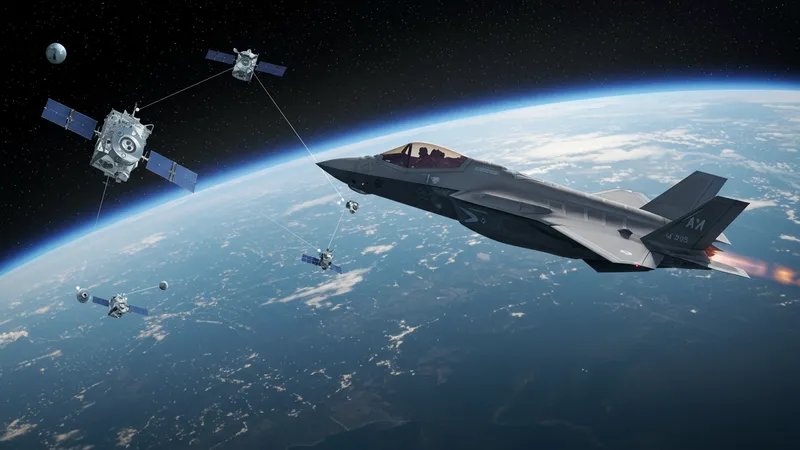
Satellite networks like Starlink are increasingly integrated into defense communication architectures. They offer a flexible and scalable solution for secure data and voice transmission, which is especially valuable in regions where terrestrial infrastructure is absent or unreliable. Defense agencies may leverage these networks for battlefield coordination, navigation assistance, and the rapid dissemination of intelligence.
The Artemis Program reflects a strategic shift toward public-private collaboration in aerospace exploration. This effort not only aims to land humans on the Moon but also to develop sustainable systems that could underpin longer-term missions to Mars and beyond. The program typically involves partnerships with commercial launch providers, robotics companies, and international space agencies, highlighting a diversified approach to technology development and risk-sharing.
Operational applications in aerospace and defense are increasingly characterized by the need for interoperability and upgradability. Modern platforms are expected to support evolving mission requirements over multi-decade lifecycles. This necessitates the adoption of modular components and flexible software architectures that can accommodate new sensors, weapons, or communication interfaces as threats and technological landscapes shift.