
Advanced Medical Care: Overview Of Modern Treatment Approaches

Role of Advanced Diagnostics in Treatment Planning
Advanced diagnostics are foundational to modern treatment strategies, enabling earlier and more precise identification of complex health issues. Technologies such as magnetic resonance imaging (MRI), computed tomography (CT), and molecular diagnostic assays provide detailed insights into anatomical structures and cellular processes. These tools can facilitate individualized care by helping clinicians determine the most appropriate treatment options and monitor disease progression over time.
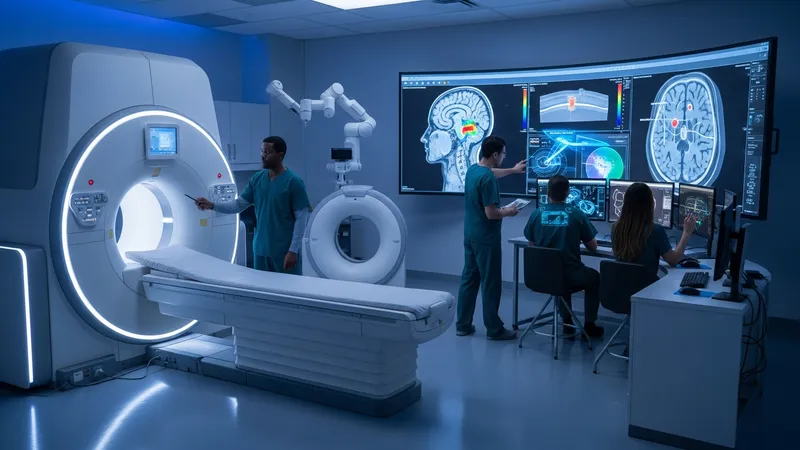
Detailed imaging is often instrumental in pre-surgical planning, allowing care teams to visualize organs, blood vessels, or tumors noninvasively. This information is critical when designing minimally invasive or robotic-assisted procedures, helping to identify the best access points and calculate potential risks. As imaging quality improves, the ability to detect subtle anatomical variations also increases, supporting more tailored interventions.
Molecular diagnostics are used to analyze genetic and biochemical markers associated with various diseases. These tests may inform decisions about personalized therapies, especially in oncology and rare disease management. By identifying specific mutations or biomarkers, clinicians can better predict how a patient’s condition may respond to a given therapeutic approach, though such predictions are grounded in observed probabilities rather than certainties.
Interdisciplinary coordination is typically required to maximize the value of advanced diagnostic techniques. Radiologists, laboratory specialists, and treating physicians often work together to interpret findings and integrate them into comprehensive treatment plans. Ongoing developments in diagnostic science continue to influence protocols for screening, monitoring, and therapeutic adjustment.