
Advanced Medical Care: Overview Of Modern Treatment Approaches

Minimally Invasive Techniques in Advanced Medical Care
Minimally invasive techniques have become prominent in advanced medical care, offering alternatives to traditional open surgery through the use of specialized tools and smaller incisions. Procedures such as laparoscopic surgery and endoscopy are widely applied in fields like gastroenterology, orthopedics, and gynecology. These methods may lead to shorter post-procedure recovery times, less discomfort, and reduced hospital stays for many patients. Adoption of these techniques often depends on practitioner expertise and the availability of specialized equipment.
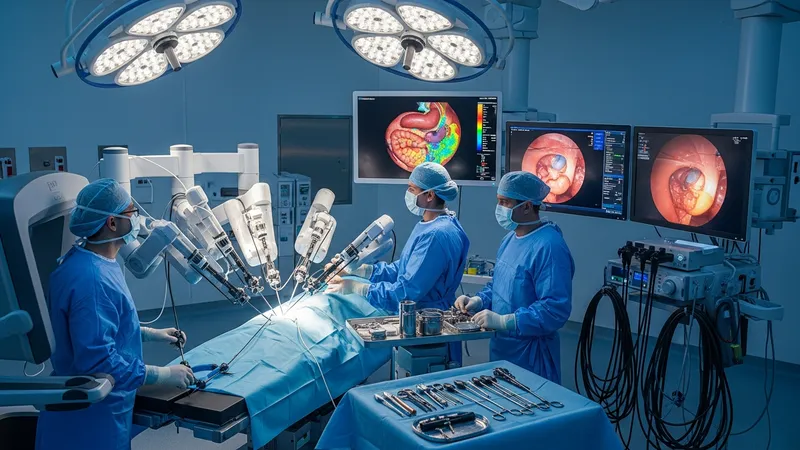
Robotic-assisted systems are one extension of minimally invasive methods, enabling surgeons to operate with a high degree of dexterity and visualization. These systems utilize sophisticated controllers and cameras that may enhance surgical precision when working in confined or delicate anatomical areas. Clinical studies suggest that patient outcomes can be similar or, in select cases, improved compared to conventional approaches, though direct comparisons depend on numerous procedural variables.
As advanced imaging modalities support procedure planning and intra-operative decision-making, the role of noninvasive diagnostics is growing in tandem with interventional techniques. High-resolution imaging tools can help identify potential procedural challenges and aid in patient selection for minimally invasive treatments, potentially reducing complication risks and supporting post-procedure monitoring.
Considerations for implementing minimally invasive techniques include staff training, procedure-specific protocols, and assessment of upfront equipment investments. Healthcare institutions may carefully evaluate the potential benefits for patient experience and long-term clinical outcomes in light of resource allocation and institutional goals.