
Advanced Diagnostics: Understanding Modern Testing Technologies And Applications

Advanced Diagnostics: Instrumentation and Measurement Technologies
Instrumentation choices in advanced diagnostics shape the type and fidelity of observed signals. Optical systems, such as fluorescence readers and whole-slide scanners, capture spatial or spectral information and often require controlled illumination and calibration standards. Electrochemical sensors and impedance-based devices produce electrical signals that map to analyte concentration under defined operating conditions. Mass spectrometers separate ions by mass-to-charge ratio and typically need vacuum systems and calibrated mass references. Each instrument class may impose specific sample preparation steps and environmental controls that can affect analytical performance.
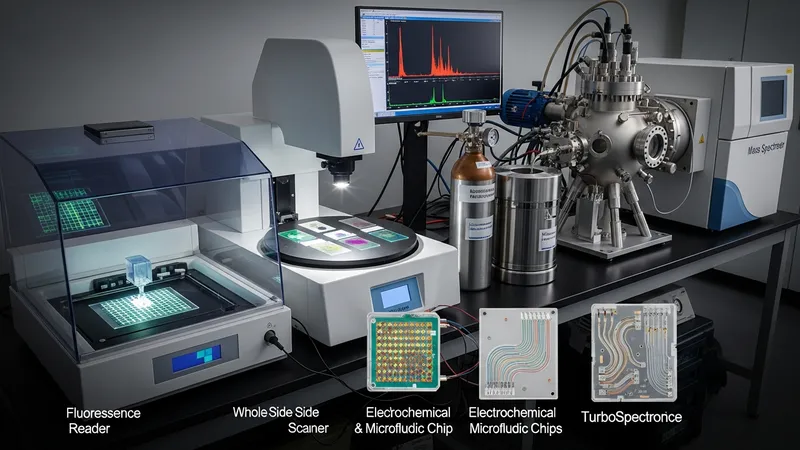
Throughput and scale considerations frequently influence instrument selection in diagnostic settings. High-throughput sequencing instruments can process many samples in parallel but often require batching to be cost-effective, while point-of-care devices may prioritize rapid turnaround at the expense of depth of analysis. Instruments that produce large datasets typically necessitate additional computational resources for initial processing and storage. When planning workflows, teams often assess throughput needs, maintenance requirements, and the potential for instrument drift or calibration needs over time.
Maintenance, calibration, and quality controls are common practical considerations across measurement technologies. Regular calibration routines with traceable standards may be used to monitor instrument stability; internal controls and reference materials can be included within runs to detect shifts in performance; and preventive maintenance schedules may be established to reduce downtime. Documentation of these activities often supports internal quality programs and may be part of external assessments or regulatory submissions where applicable.
Interfacing instruments with laboratory information systems and data pipelines is another practical aspect. Many modern instruments provide data export in standard formats or via APIs, which can facilitate automated ingestion into processing pipelines. Attention to file formats, metadata capture, and time-stamping is often advised to preserve provenance and enable later review of raw and processed outputs. These integration points can influence data traceability and reproducibility considerations in diagnostic workflows.