
Accounting Software: How It Supports Wholesale Business Operations

Data Accuracy and Compliance Considerations in Wholesale Accounting
Ensuring data accuracy is fundamental in accounting systems for wholesale businesses, as errors can affect financial reporting and business decisions. Features like automated calculations, validation rules, and data import functionalities can help minimize human error during data entry. Regular reconciliation processes supported by the software may further contribute to maintaining correct records.
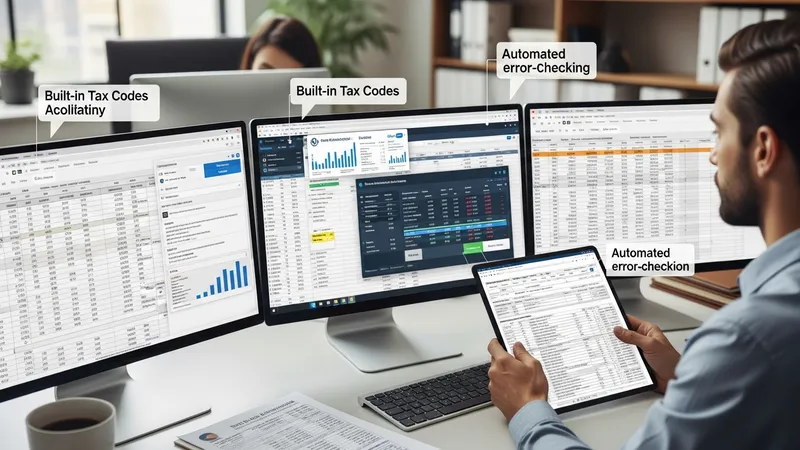
Compliance with United States financial and tax regulations is often addressed within software through built-in tax codes, automated tax calculations, and support for required reporting formats. This can assist wholesale businesses in meeting obligations under federal and state tax laws. Periodic software updates may also reflect changes in regulatory requirements, supporting continued compliance.
Audit trails and transaction logs maintained by software systems provide transparency and create records that support internal and external audits. Wholesale businesses may rely on these records to verify the accuracy of entries and ensure adherence to accounting standards. Data backups and disaster recovery features also contribute to maintaining data integrity over time.
Inventory valuation approaches supported by accounting software, such as first-in-first-out (FIFO), last-in-first-out (LIFO), or weighted average cost, can influence reported financial outcomes. Wholesale companies may select valuation methods that align with their operational and reporting preferences, with software facilitating accurate application and documentation of these methods.