
Accounting Software: How It Supports Wholesale Business Operations

Integration and Workflow Efficiency in Wholesale Accounting Systems
Integration capabilities between accounting software and other wholesale business systems frequently enhance workflow efficiency. Examples include synchronization with enterprise resource planning (ERP), supply chain management (SCM), and customer relationship management (CRM) platforms. Such integrations can reduce duplicated data entry and ensure consistency across functional areas.
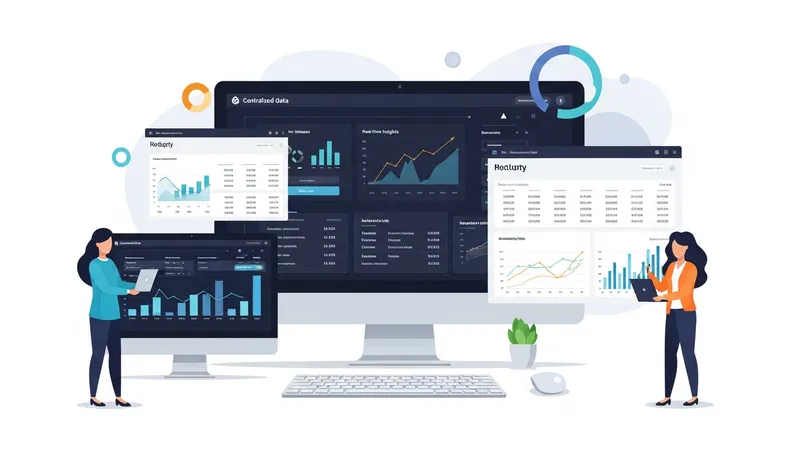
Automated data transfer from point-of-sale or order management systems into accounting modules often allows for timely recording of sales events and related financial impacts. This reduces time lags that might otherwise lead to inaccuracies in financial reporting. Automated workflows can also facilitate procurement processes and vendor interactions by linking purchase orders with accounts payable records.
Cloud-based accounting solutions for wholesale operations increasingly support multi-user access and remote availability. This flexibility can support decision-making by allowing relevant stakeholders access to updated financial and inventory data regardless of location. However, considerations around data security and compliance with US standards for financial information remain important.
Furthermore, workflow automation within accounting software often includes recurring invoicing, payment reminders, and bank reconciliation. Such features can help maintain accurate cash flow records and reduce the administrative workload. Workflow monitoring tools may provide visibility on transaction statuses, assisting managers in identifying potential bottlenecks or delays.