
Freelancers & Startups: Why Co-working Spaces Are The Future Of Work

Flexible working arrangements have become a defining characteristic of the modern economy, with independent professionals and emerging businesses frequently seeking environments that cater to collaborative and remote work preferences. Co-working spaces are shared, professionally managed offices designed to serve individuals and small teams who do not require traditional business premises. These environments aim to provide a blend of social infrastructure, business-grade amenities, and adaptable usage options, supporting a wide range of working styles without long-term commitments.
This trend reflects evolving attitudes toward workplace culture and resource allocation. For freelancers, co-working spaces can mitigate the isolation sometimes experienced when working from home, offering structured space for focused work and the opportunity to interact with peers. Startups often use co-working models to balance professional image with cost-conscious scaling. The flexibility to rent desks or offices for days, weeks, or months suits these users, allowing them to match space to workflow and budget as required.
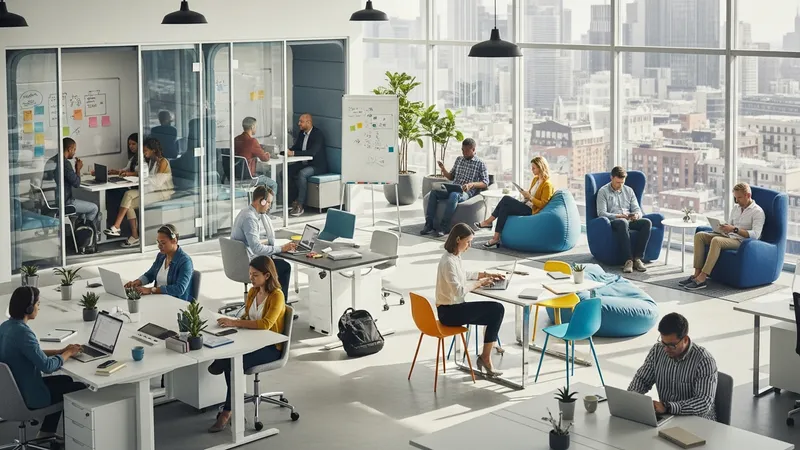
- Hot Desk Memberships: Provide access to shared workstations, usually on a first-come, first-served basis, offering flexible daily or monthly options. Often include business amenities such as Wi-Fi and communal areas, with prices typically ranging from a moderate daily pass to more economical monthly access. See Coworker official explanation for details.
- Private Office Rentals: Dedicated secure offices within a co-working facility for small teams or individuals requiring privacy. These come with access to meeting rooms and administrative services, usually priced higher than shared desks but providing additional security and quiet. Reference: WeWork Private Offices.
- Virtual Office Services: Provide business addresses, mail handling, and occasional access to meeting rooms for professionals who do not need a physical desk daily, supporting remote work with formal business presence. Typically, these services are outlined on co-working aggregator sites, such as Regus Virtual Office Services.
Co-working spaces may contribute to reduced overhead for new ventures and independent professionals compared to traditional office leases. This can enable more flexible budgeting and allow users to direct resources to core activities rather than facilities maintenance. For many, this adaptability is a major consideration in choosing shared workspaces over conventional options.
Community events and professional development opportunities are regularly organized within co-working environments, which can support networking and skill growth. Many freelance workers and early-stage entrepreneurs participate in workshops, meetups, or industry talks arranged by co-working managers or members. These offerings are typically considered supplementary and may vary by location and operator.
Technological infrastructure in co-working spaces, such as business-grade internet and printing capabilities, can reduce barriers that freelancers and entrepreneurs often face when setting up individual offices. Standardization of such services makes it easier to focus on work output, rather than logistics, although users should verify specifics at each facility to ensure they meet project needs.
The flexibility and structure that co-working spaces may offer make them a significant component in the evolving landscape of independent and entrepreneurial work. As remote work practices continue to develop, examination of services, community features, and typical arrangements in shared offices remains an ongoing topic in business research. The next sections examine practical components and considerations in more detail.