
Freelancers & Startups: Why Co-working Spaces Are The Future Of Work

Types of Work Arrangements in Co-working Spaces for Freelancers & Startups
Individuals and startups utilizing co-working spaces engage in multiple work arrangements, reflecting their specific requirements and operational patterns. Some professionals opt for hot desks for casual, intermittent use, while others maintain dedicated private offices for ongoing projects or team-based endeavors. Virtual office memberships are selected by those who principally operate remotely but value having a business address and periodic meeting access.
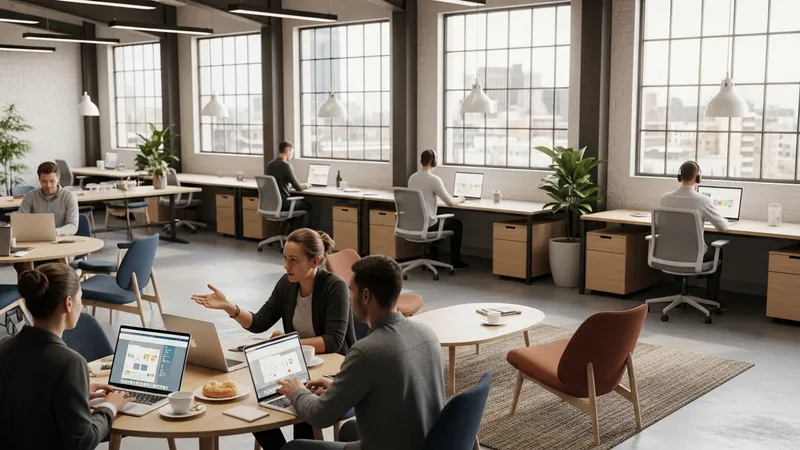
Hot desk arrangements typically appeal to freelancers who may work from various locations or require short periods of in-person office access. The absence of fixed seating fosters flexibility and allows users to adjust their workspace use on a daily or weekly basis. For startups, such arrangements allow team members to interact without the need for formal offices, particularly in early development phases.
Private office rentals within co-working spaces can accommodate growing teams that benefit from enhanced privacy and security. Startups transitioning from remote-only structures may utilize these offerings to consolidate operations, access meeting rooms, and create a defined work environment. These rentals often include support services such as reception, postal handling, and sometimes IT assistance.
Virtual office services support those who do not need physical attendance but require a professional identity. Freelancers expanding into new markets and startups piloting digital-first models often use these services to register a business address, organize mail forwarding, and occasionally book workrooms. This arrangement typically suits personnel who travel or operate with distributed teams.