
International Debit Cards: How Global Transactions Work

International debit cards allow individuals to make electronic payments and withdraw cash in foreign countries using funds from their domestic bank accounts. These cards are typically part of global payment networks, enabling their use at many points of sale (POS) terminals, ATMs, and online merchants around the world. Transactions made with such cards are usually processed in the local currency of the merchant or ATM, while the cardholder’s account is debited in their home currency. The operational framework involves real-time communication between the cardholder’s financial institution and the international processing network, integrating fees, exchange rates, and security protocols to ensure cross-border compatibility.
When utilizing a debit card outside the home country, the payments undergo automated currency conversion, subject to rates determined by the payment network or issuing bank. This process often involves additional fees such as foreign transaction charges, currency conversion margins, and ATM operator fees. International debit cards are distinguished by acceptance logos (such as Visa or Mastercard), which indicate worldwide usability. The underlying network facilitates authorization, settlement, and reconciliation, ensuring funds move securely from the cardholder to the designated recipient or merchant.
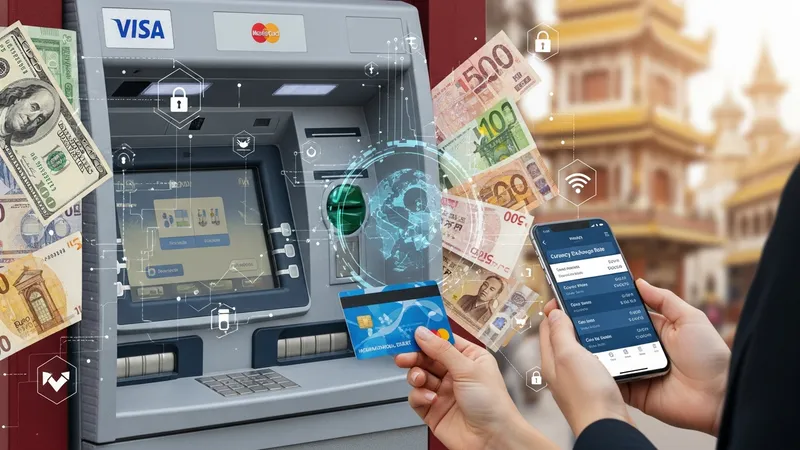
- Visa Debit: Often issued by banks worldwide, it is accepted by millions of merchants and ATMs through the Visa network. See details at Visa.
- Mastercard Debit: Linked to the Mastercard international network, it is recognized at numerous retail and POS locations globally. More details can be found at Mastercard.
- Maestro Debit: A subsidiary of Mastercard, Maestro-branded debit cards are accepted in many countries, especially for POS and ATM usage. Additional information is available at Maestro.
International debit cards can simplify spending and cash withdrawals across borders by offering automated currency conversion and integrated authorization systems. Users typically benefit from ease of access to their domestic funds without carrying physical cash or exchanging currency in advance. Acceptance is usually governed by the global payment network; merchants and ATMs displaying the network logo may accept these cards, making their usability generally wide-reaching, though some exceptions can exist depending on the region or type of card.
One important aspect is the total cost structure, which may consist of a combination of fees. Issuing banks might levy foreign transaction fees, which can be a percentage of the purchase amount, while network operators may apply their own currency conversion charges. Some ATM operators may also charge withdrawal fees, so the overall cost of using an international debit card can vary based on the circumstances of each transaction and the policies of the individual financial institution.
Security protocols are an integral component of international debit card usage. Many cards offer features such as chip-and-PIN verification, transaction notifications, and fraud monitoring, particularly for foreign transactions. The responsibility for lost or unauthorized use often depends on the issuer’s specific terms, so users are generally encouraged to stay informed about their card’s security features and liability structures.
The technological and regulatory frameworks underpinning international debit card systems are designed to support compliance with cross-border financial standards and anti-fraud regulations. Card networks, banks, and payment processors typically coordinate to meet international requirements for authentication, reporting, and dispute resolution. These measures may help ensure the reliable and lawful use of debit cards in global contexts.
To summarize, international debit cards provide a channel for accessing funds worldwide, enabled through globally recognized networks, automated currency conversion, and structured fee systems. The following sections examine practical components and considerations in more detail.