
International Debit Cards: How Global Transactions Work

Features and Functionality of International Debit Cards
International debit cards are equipped with features intended to facilitate cross-border usability while addressing security and compliance considerations. One prominent capability is the real-time conversion of currencies during purchases or withdrawals, allowing cardholders to transact in the local currency wherever the network is accepted. Typically, funds are deducted directly from the linked bank account, which can improve transparency by reflecting transactions almost immediately.
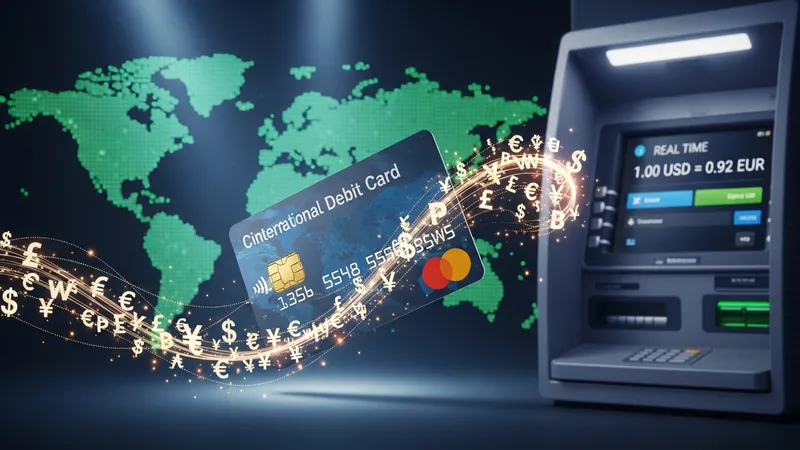
Card technology may include both magnetic stripe and EMV chip interfaces to ensure compatibility across various POS terminals globally. EMV chips offer enhanced security by generating unique transaction codes, reducing the likelihood of unauthorized use. This global adoption of EMV standards is part of ongoing efforts to limit fraud and provide secure usage in diverse international environments.
Another core feature is the connection to global payment networks. These networks, such as Visa, Mastercard, or Maestro, enable cards to communicate with financial institutions worldwide. This generally means cardholders can access numerous ATMs and merchants across different countries, though local restrictions or sanctions may occasionally affect acceptance in certain regions or sectors.
Usage limitations can exist based on bank policies, including caps on daily withdrawal amounts or restrictions on overseas transactions to prevent unauthorized activity. Cardholders may benefit from reviewing or adjusting these limits prior to travel, and some financial institutions offer options to temporarily modify restrictions to accommodate expected international use.