
Automated Production Machinery: How Automation Transforms Production Lines

Automated production machinery refers to systems and equipment designed to perform manufacturing tasks with limited or no manual intervention. These systems often use robotics, computer control, and advanced sensor technologies to handle repetitive, precise, or high-volume processes within a production environment. The goal is to increase speed, improve accuracy, and help maintain consistency throughout the manufacturing lifecycle.
Over recent years, production facilities in various sectors have increasingly incorporated automation into their workflows. As a result, many companies report enhanced productivity metrics, more uniform product quality, and reduced risk of human error. While transitioning to automation requires thoughtful planning and initial investment, the technology’s integration often aligns with global industrial trends toward digitalization and operational efficiency.
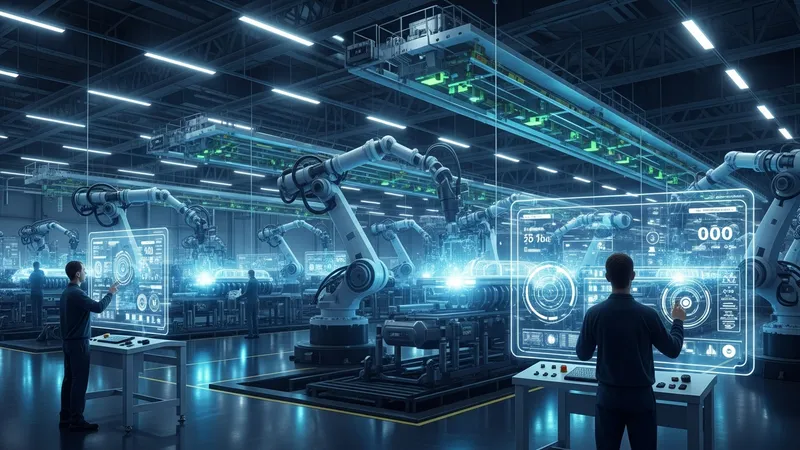
- Robotic Arm Assembly Systems: Frequently applied in automotive and electronics sectors for tasks such as welding and component placement. These systems are programmable for different parts and can operate for extended periods with minimal supervision.
- Automated Conveyor Belt Networks: Used across food processing and packaging industries, these setups control the movement, sorting, and delivery of goods between stages, using sensors and software to adjust speed and timing.
- Automated Quality Inspection Machines: Often utilizing machine vision and artificial intelligence, these machines scan components for surface defects, dimensional errors, or other inconsistencies, allowing administrators to flag and address quality issues early.
One distinguishing aspect of automated production machinery is its adaptability. Modern systems can frequently be reconfigured, reprogrammed, or upgraded to suit shifting product requirements or production volumes. This may help manufacturers remain responsive to fluctuating market demands or regulatory changes, as seen in numerous sectors such as electronics, packaging, and automotive production in Mexico.
Another key characteristic is the ability to collect and analyze manufacturing data. Embedded sensors and networked controllers provide real-time feedback, which can be utilized for predictive maintenance, process optimization, and overall equipment efficiency tracking. Facilities in Mexico typically leverage this data to inform resource allocation and long-term planning, adjusting their workflows to improve sustainability or cost control.
The initial cost of implementing automated machinery in Mexico can vary widely, depending on the complexity of the system, degree of integration with existing infrastructure, and the level of customization required. Routine maintenance and operator training are additional considerations that may influence ongoing expenditures. However, many companies note the potential for long-term operational savings and reduced downtime due to automated scheduling and diagnostics.
Environmental impact is another factor influencing automation decisions. Energy-efficient designs, as well as the ability to run machinery outside standard work hours, have helped some factories reduce their energy consumption. Automated systems can also support waste minimization by improving accuracy and minimizing product defects.
Understanding the multifaceted roles of automated production machinery is fundamental to evaluating its impact on manufacturing in Mexico. The next sections examine practical components and considerations in more detail.