
Automated Production Machinery: How Automation Transforms Production Lines

Types of Automated Production Machinery in Manufacturing Environments
In Mexico, manufacturing sectors utilize a range of automated machinery types, each tailored to solve particular production challenges. Robotics stands out in industries such as automotive or electronics, where precision assembly and high throughput are prioritized. These robotic units may include articulated arms, mobile robots, or specialized pick-and-place devices configured for repetitive operations. Their programming flexibility often enables manufacturers to switch quickly between different production tasks with limited manual reconfiguration.
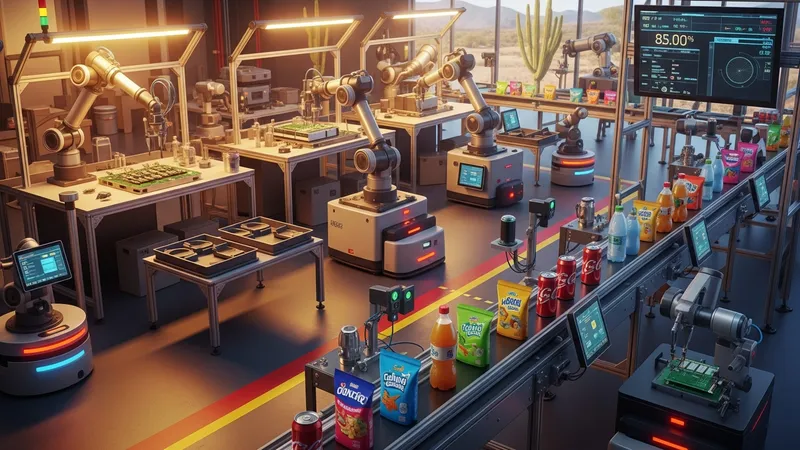
Automated conveyor systems represent another commonly implemented solution, especially in Mexico’s food, beverage, and packaging segments. Conveyors not only reduce manual material handling but also integrate with sensors that track product movement, monitor quality, and trigger downstream processes. These networks are scalable and can be expanded as production needs grow, making them a foundational component of many high-volume facilities across the nation.
Vision-based inspection machines are increasingly deployed in sectors where surface finish or precise measurements are critical. In electronics manufacturing, for example, automated optical inspection (AOI) equipment analyzes circuit boards for soldering defects or misaligned components. This level of scrutiny can help minimize rework and potential product recalls, supporting the strong export focus of Mexico’s electronics industry.
Implementing these various types of automated machinery requires specialized integration services and careful planning, especially to synchronize them with legacy machines or enterprise resource planning (ERP) systems. Successful deployment may provide sustained productivity gains, but decisions are typically guided by feasibility studies and cost–benefit analyses tailored to Mexico’s production context.