
Sustainable Construction: Key Practices And Environmental Benefits

Sustainable construction refers to designing, building, and operating structures in ways that strive to minimize environmental impact, conserve natural resources, and promote the well-being of building occupants. This approach contrasts with traditional methods by prioritizing efficiency in material use, energy consumption, and lifecycle impacts while responding to environmental and societal concerns. Sustainable construction integrates different strategies and technologies aimed at reducing the depletion of non-renewable resources and enhancing indoor and outdoor environmental quality.
Environmental benefits of sustainable construction can include reduced emissions, conservation of water and materials, and improved indoor air quality. Key practices typically involve careful site selection, thoughtful design, use of resource-efficient building materials, and lifecycle assessment frameworks. As the demand for more responsible construction methods grows, both public and private stakeholders may refer to established certifications and guidelines to identify and measure sustainable performance.
- LEED (Leadership in Energy and Environmental Design): A widely adopted green building certification system offering frameworks for various building types and projects. Registration and certification costs typically start around $2,250 for registration and range up to $35,000 or higher for large projects.
- BREEAM (Building Research Establishment Environmental Assessment Method): A sustainability assessment method used internationally, focusing on the environmental performance of buildings throughout their lifecycle. Certification fees may start near $6,000 and increase with the project’s size and complexity.
- Living Building Challenge: A rigorous performance standard aimed at creating self-sufficient and regenerative buildings. Fees for registration and certification often begin at $10,000 for smaller projects and can be higher for commercial developments.
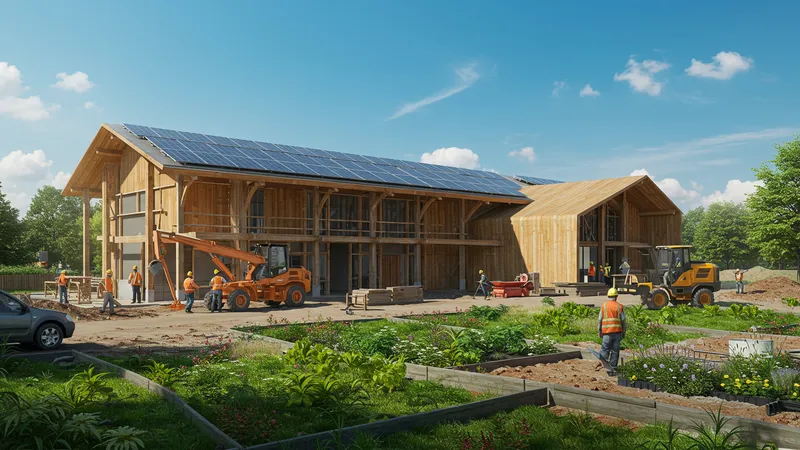
Sustainable construction practices may encompass a range of actions. For instance, using renewable materials such as sustainably harvested timber or recycled metal can reduce extraction pressures on ecosystems. Building orientation and insulation choices often improve energy efficiency and thermal comfort, contributing to reduced utility consumption.
Integrating water-saving technologies—like low-flow fixtures or rainwater harvesting systems—may significantly lessen a structure’s water footprint. In addition to benefiting the environment, such features can provide long-term financial savings, depending on usage patterns and regional utility costs.
Lifecycle assessment is central to sustainable construction. This process evaluates the environmental impacts of materials, construction methods, and operations from inception to demolition or reuse. By examining these stages, project teams can select options that typically have lower emissions and waste.
Adoption of recognized certification systems—such as LEED and BREEAM—offers structured pathways for confirming that buildings meet defined sustainability criteria. These systems are based on criteria like resource use, site impact, and indoor environmental quality, allowing project teams to benchmark achievements transparently.
In summary, sustainable construction brings together a variety of methods and measurement systems aimed at reducing environmental impact while supporting occupant well-being. The next sections examine practical components and considerations in more detail.