
Oil And Gas Extraction: Processes And Environmental Considerations In The U.S.

Oil and gas extraction is a complex industrial process that involves removing hydrocarbons from below the Earth’s surface. In the United States, this sector plays a prominent role in the economy, supplying fuels and raw materials for various industries. Extraction is achieved through a combination of geological surveys, drilling, and production operations. Managing the environmental impact remains a central concern, involving careful consideration of water use, emissions, and habitat disruption.
At the core of extraction processes are techniques such as conventional drilling, hydraulic fracturing (fracking), and offshore production. Each approach typically responds to specific geological settings and resource characteristics. Regulatory frameworks in the U.S. aim to mitigate environmental impacts while maintaining energy production targets. Operational decisions are influenced by both geological complexity and environmental sensitivity, making compliance and adaptive management essential.
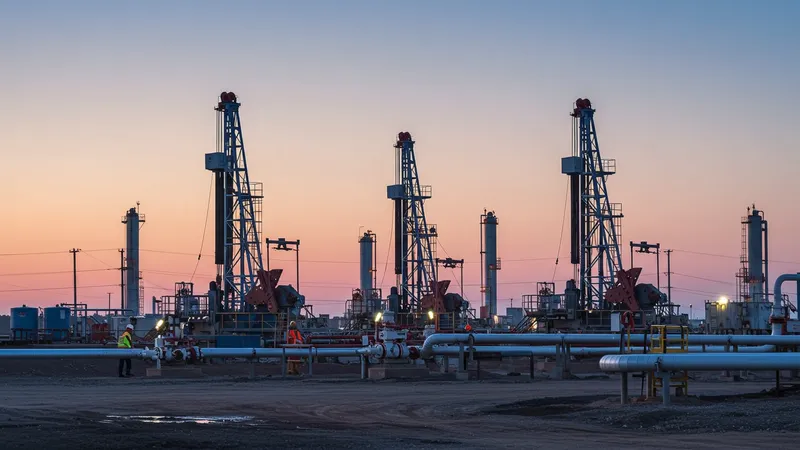
- Rotary Drilling: Utilizes rotating drill bits to access oil and gas reservoirs. Costs may range from $400,000 to $20 million per well, influenced by depth and location.
- Hydraulic Fracturing (Fracking): Involves injecting fluid into rock formations to enhance resource recovery. Well development can typically cost between $2 million and $15 million.
- Offshore Extraction Platforms: Fixed or floating structures for extracting resources beneath the seabed. Installation and operation may require investments from $100 million up to several billion dollars per project.
Each of these extraction methods may be selected based on geology, proximity to markets, and regulatory considerations. Rotary drilling is commonly chosen for conventional reservoirs, while hydraulic fracturing is associated with unconventional formations like shale. Offshore platforms are engineered for deep-sea reserves and require significant infrastructure due to challenging conditions.
Environmental considerations are addressed through federal and state regulations that typically cover site selection, emissions, water usage, waste management, and restoration efforts. Agencies such as the U.S. Environmental Protection Agency (EPA) and Bureau of Safety and Environmental Enforcement (BSEE) issue guidelines for minimizing habitat disruption and potential contamination.
Industry reporting and data transparency support ongoing evaluation of risks and improvements in technology. Monitoring systems are often integrated into extraction sites to detect changes in air, water, or soil quality. Public access to this data can facilitate more informed discussions on resource management and accountability.
Advancements in drilling technologies and environmental safeguards may help reduce risks associated with extraction processes. However, trade-offs between resource development and ecosystem protection typically remain subject to scientific assessment and regulatory oversight. These evolving dynamics create an ongoing discussion regarding sustainable practices in oil and gas extraction within the U.S.
In conclusion, oil and gas extraction in the United States involves a mix of established processes and evolving environmental strategies. The next sections examine practical components and considerations in more detail.