
EV Cars: Insights Into Safety Standards And Requirements

Electric vehicles (EVs) are designed with unique engineering principles and frequently adhere to distinct safety regulations compared to traditional internal combustion engine vehicles. The development and enforcement of safety standards for EVs may encompass various categories such as crashworthiness, battery safety, occupant protection, and electrical integrity. These standards are often established by international bodies, national regulators, and industry groups to ensure that EVs meet acceptable thresholds of safety for public road use.
Safety requirements for EVs typically take into account the high-voltage battery systems, advanced driver assistance technologies, and specific crash characteristics inherent in electric propulsion. Physical testing, compliance verification, and regular updates to existing requirements are common practices to keep pace with evolving vehicle technologies. By aligning with such standards, manufacturers can contribute to reducing the risks associated with the use and charging of EVs, including issues related to thermal management and emergency response.
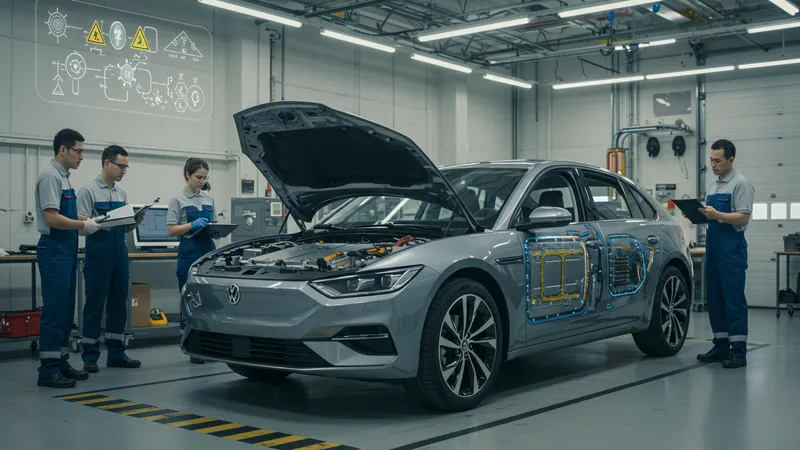
- UNECE Regulation No. 100: This global technical regulation addresses the safety of electric powertrains, focusing on battery integrity, electrical protection, and isolation requirements for EVs.
- U.S. Federal Motor Vehicle Safety Standards (FMVSS): The FMVSS encompasses a broad set of safety regulations, which include specific provisions for electric vehicle crash safety, battery containment, and post-crash electrical safety, often updated periodically to keep up with new EV technology.
- Euro NCAP EV Safety Protocols: This voluntary crash-testing and safety-rating protocol assesses electric vehicle performance in crash scenarios, including considerations for battery fire risk, occupant rescue, and electrical isolation during emergencies.
These examples illustrate the broad landscape of safety regulations that may apply to electric vehicles across different regions and organizations. International coordination helps ensure vehicles meet minimum safety baselines, but regional adaptations are common depending on specific infrastructure or public safety needs. Manufacturers are often expected to navigate both mandatory requirements and optional safety rating systems to bring their EVs to market.
UNECE Regulation No. 100 is widely referenced among international EV manufacturers, governing how electric powertrains are built to prevent electrical shock, short circuits, and battery hazards. Its application is crucial in regions participating in the 1958 UNECE Agreement and may serve as a foundation for further local rules. Testing protocols typically require both laboratory assessments and real-world validation to verify compliance with electrical safety criteria.
The U.S. FMVSS includes a range of crash and electrical safety requirements relevant to EVs. In the context of battery containment and post-crash protocols, manufacturers are generally required to demonstrate that electrical systems do not pose an undue risk following an accident. Periodic review and updates mean that these standards may evolve as new evidence or technologies emerge, making ongoing compliance a continuous process.
Euro NCAP’s voluntary protocols, while not legally binding, can influence automaker design choices by publicly rating vehicles on a spectrum of safety attributes. Their assessment often includes considerations unique to EVs, such as the ease of first responder access and secondary risks from high-voltage systems. Such programs typically complement, rather than replace, legal safety requirements.
In summary, electric vehicle safety standards are structured by a combination of international agreements, regional regulations, and voluntary programs. These frameworks aim to address the specific characteristics of EV technologies to promote safer operation and public reassurance. The next sections examine practical components and considerations in more detail.