
Workforce Management Software: Key Features And Core Functions Explained

Forecasting, analytics, and compliance functions
Forecasting and analytics modules commonly turn historical operational data into forward-looking estimates and performance metrics. Forecasting approaches may include simple historical averages, seasonally adjusted models, or more complex predictive methods; each approach requires data cleanliness to be effective. Analytics dashboards typically show utilization, variance between scheduled and actual hours, and labor cost trends. Compliance functions overlay rule checks for overtime, rest periods, and record retention. Together, these functions support planning and regulatory documentation without replacing managerial judgment.
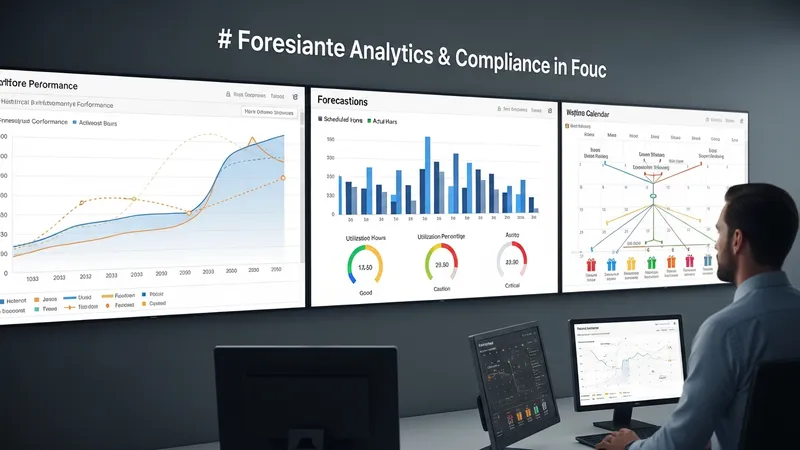
Forecast quality often depends on the granularity of historical data and the stability of demand patterns. Retail and hospitality may experience pronounced seasonality that forecasting models must accommodate, while other sectors may have more stable demand. Scenario planning is frequently used to compare staffing outcomes under differing assumptions about demand or absenteeism rates. Organizations commonly retain forecast histories to compare predicted versus actual outcomes and refine model parameters over time.
Analytics outputs also support performance monitoring, identifying areas where labor efficiency may be improved through training or process adjustments. Common metrics include hours per unit of output, coverage ratios, and overtime incidence by role. These metrics are generally used to inform managerial discussion rather than to drive automatic disciplinary actions; many organizations set thresholds for review and combine metrics with contextual information when evaluating performance.
Compliance features may include configurable alerts and exportable audit logs that document schedule assignments, approvals, and pay-affecting edits. Legal and contractual requirements vary by jurisdiction, so organizations typically maintain a process to review and update rule configurations periodically. Retention of time records and change histories is usually part of standard administrative controls to support potential audits or internal inquiries and to provide transparency for payroll reconciliation processes.