
Weight Management Medication: Understanding How Tirzepatide May Support Obesity Treatment

Mechanism and physiological considerations related to tirzepatide-style medications
Agents that engage incretin receptors typically act through several physiologic pathways relevant to appetite and metabolism. A dual GIP/GLP-1 agonist can interact with receptors in the gut, pancreas, and central nervous system, which may modulate insulin secretion, appetite signaling, and gastrointestinal motility. These combined effects often manifest as changes in caloric intake and glycemic markers in clinical studies. Researchers emphasize that individual variability in receptor expression and metabolic state can influence response magnitude. Understanding mechanistic pathways helps clinicians and investigators interpret trial outcomes and consider likely effects in diverse clinical scenarios.
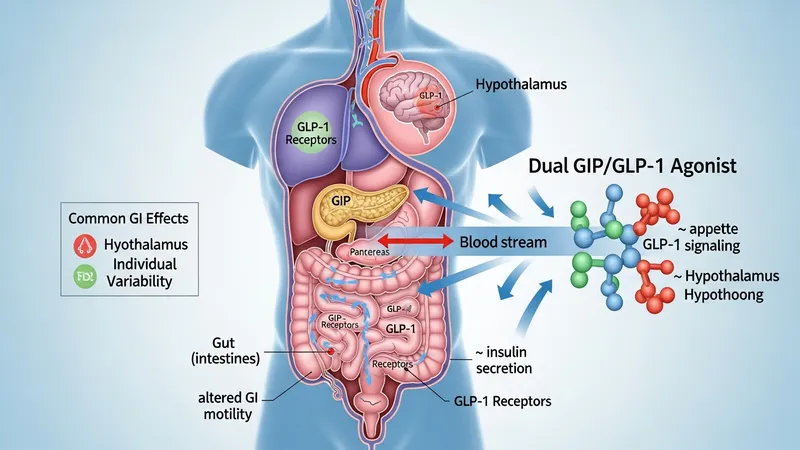
Gastrointestinal responses are commonly observed when initiating incretin-based therapies and can include nausea, early satiety, and changes in bowel habits. Such effects are often dose-related and may attenuate over time for some individuals. Monitoring protocols in clinical practice and research commonly include progressive titration regimens to balance onset of action with tolerability. Pharmacokinetic properties—such as half-life and route of administration—also shape dosing frequency and patient experience. These pharmacologic attributes are part of pragmatic discussions about integrating medication into longer-term weight management plans.
Metabolic consequences beyond weight change are often secondary endpoints in clinical studies. Investigators typically evaluate fasting glucose, hemoglobin A1c, lipid profiles, and blood pressure among other markers. Some agents were initially developed to address glycemic control in people with type 2 diabetes and later studied for effects on body weight. When interpreting metabolic endpoints, it is important to note that population-level trends in trials may not translate directly to individual outcomes and that concurrent lifestyle modifications commonly contribute to observed changes in metabolic markers.
Preclinical and clinical pharmacology research continues to refine understanding of receptor-specific effects and downstream signaling. Ongoing studies explore dose–response relationships, long-term safety, and mechanisms of weight regain after discontinuation. Scientists and clinicians often recommend that mechanistic insights be integrated with clinical data to form balanced expectations about likely benefits and limitations. These considerations may inform monitoring strategies and collaborative decision processes between clinicians and patients considering such medicines.