
Waste Management & Environmental Consulting: Processes And Strategies For Sustainable Operations

Measurement and Continuous Improvement in Canadian Waste Management and Environmental Consulting
Ongoing measurement and process improvement are central to waste management and environmental consulting in Canada. Consultants typically establish metrics such as landfill diversion rates, greenhouse gas emissions reductions, and material recovery volumes. These metrics allow organizations and municipalities to evaluate progress and refine waste strategies in response to operational changes or new regulatory requirements.
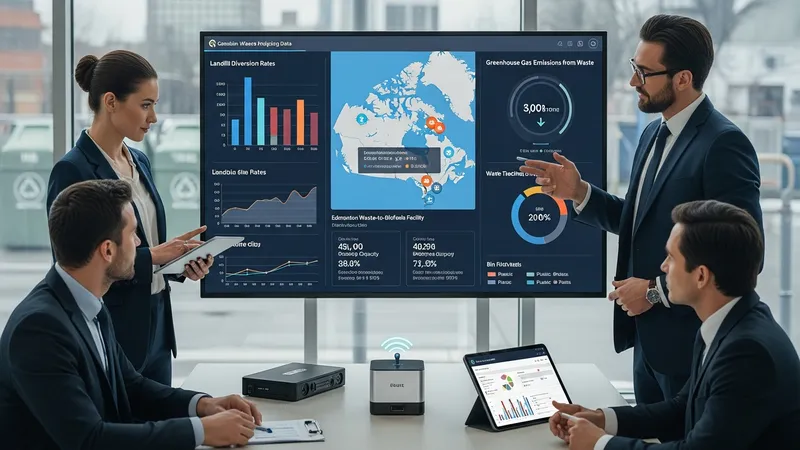
Data collection methods may include periodic waste audits, tracking shipment records for recyclables, and monitoring contamination in composting streams. Technological tools, such as waste tracking software or remote sensor systems, are increasingly used by Canadian organizations to provide real-time performance insights. These approaches help pinpoint areas of inefficiency and support evidence-based decision-making for sustainable operations.
Continuous improvement practices are often embedded in Canadian waste management plans. This may involve annual reviews with stakeholders, benchmarking against sector averages, or piloting new waste diversion programs. Results from these reviews can guide the allocation of resources towards initiatives with the potential for the most significant environmental and financial benefits.
Feedback from regulatory inspections, community stakeholders, and internal audits play a vital role in shaping future waste management policies. By integrating lessons learned into ongoing program design, organizations and municipalities across Canada can make incremental improvements that align with evolving standards and societal expectations while upholding compliance with national and provincial guidelines.