
Waste Management & Environmental Consulting: Processes And Strategies For Sustainable Operations

Types of Waste Assessed in Canadian Waste Management and Environmental Consulting
Waste management and environmental consulting in Canada covers a variety of waste types generated by households, businesses, and industries. Common categories include municipal solid waste, construction and demolition debris, hazardous waste, and organic materials. Each type of waste is subject to specific handling, storage, and disposal requirements under both federal and provincial environmental regulations. Understanding these categories is important for developing appropriate strategies and compliance measures.
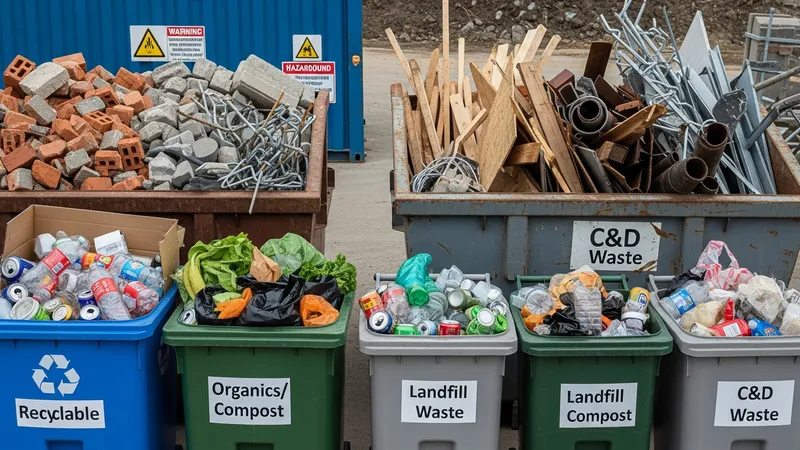
Municipal solid waste typically consists of everyday items such as packaging materials, disposable products, and food scraps. Canadian municipalities frequently work with consultants to assess residential and commercial waste streams, aiming to increase diversion rates through recycling and composting initiatives. Data from the Government of Canada indicates that residential sources accounted for around 40% of the country’s total solid waste in recent years.
Construction and demolition (C&D) waste forms another category often addressed by environmental consultants. This may include materials such as concrete, wood, metals, and drywall. In Canada, specialized programs and landfill diversion policies are sometimes developed to increase the reuse or recycling of C&D waste, reducing the volume sent to landfill sites. These efforts can align with green building certifications and local sustainability targets.
Hazardous waste consulting is a specialized area that often involves pharmaceutical, chemical, and e-waste management. Organizations generating these materials in Canada are typically required to comply with stricter labeling, transportation, and disposal requirements to avoid environmental contamination. Consultants routinely help clients identify hazardous waste streams and implement safe handling procedures as part of a broader compliance strategy.