
Vertical SaaS For Construction: How Industry-Specific Software Supports Project Delivery

Risk management, compliance, and security aspects for construction industry SaaS in the United States
Risk and compliance needs influence how construction teams manage digital project records. United States contractors may face requirements for document retention tied to lien statutes, permit records, or federal contracting provisions when applicable. Platforms that provide robust audit trails, tamper-evident records, and exportable archives can assist teams in assembling compliance packages for regulators, owners, or legal reviews. Project document governance often specifies retention schedules and access controls to align with contract terms.
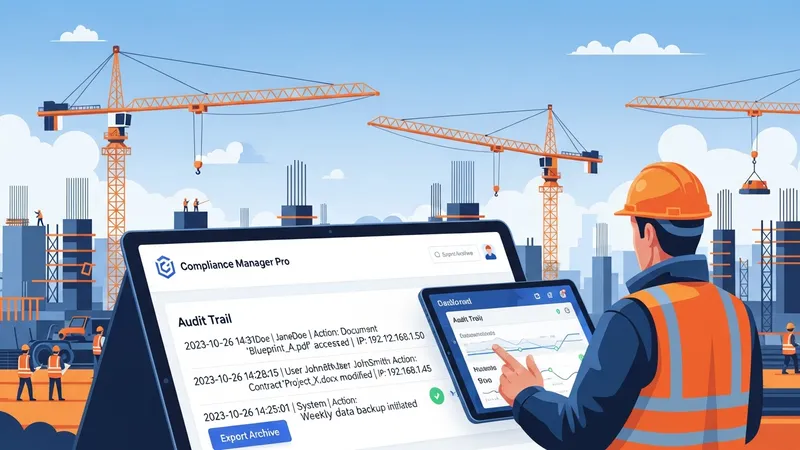
Security considerations commonly include authentication controls, encryption of data at rest and in transit, and vendor practices for backups and incident response. Construction organizations in the United States often require contractual assurances about data handling and may seek information about where data centers are located to assess jurisdictional considerations. Payment processing and payroll integrations also raise compliance points such as PCI requirements and payroll tax reporting accuracy.
Operational risk management addresses availability and continuity for field operations where connectivity may be intermittent. Offline capture and synchronization strategies can reduce data loss risk at remote sites. Additionally, role-based permissions and separation of duties are practical controls that limit exposure of financial or human-resources information while enabling project staff to access necessary construction records for daily execution.
Contract clauses and service agreements commonly define responsibilities for data access, export, and termination handling. United States contractors often review these terms to confirm that historical project data remains accessible after subscription changes and to ensure that dispute-resolution mechanisms are clear. Evaluating these legal and technical aspects alongside functional needs can support more resilient project delivery practices.