
Understanding Risk Assessment Tool: How It Supports Decision-Making

Data, Scoring Methods, and Analytical Models in Irish Risk Assessment Tools
Data-driven insights play a crucial role in modern risk assessment tools across Ireland. Tools like AuditNet may incorporate both quantitative data (such as incident frequencies or audit results) and qualitative assessments (such as expert opinions). The mix of data types allows organizations to tailor risk models to their specific operational contexts while remaining compliant with Irish regulations.
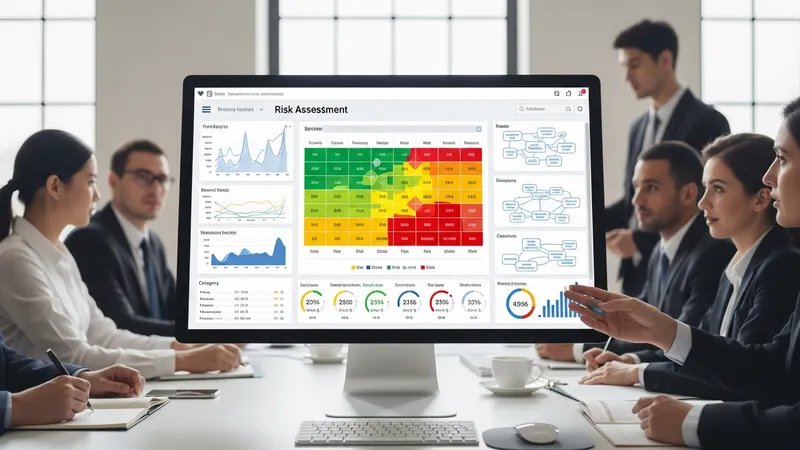
Risk scoring methods, such as the widely used risk matrix, are integral to many Irish assessment frameworks. These methods typically plot the likelihood of risk occurrence against the severity of impact. For instance, HSA BeSMART includes visual scoring matrices to support users in prioritizing risks, which can help organizations decide where to focus risk mitigation resources most effectively.
The adoption of analytical models can assist organizations in identifying trends, recurring hazards, or emerging threats. Irish institutions, including educational organizations, often utilize analytical outputs from assessment tools to inform annual risk reviews, workforce training needs, and resource allocation for safety initiatives. By leveraging these models, organizations may improve the consistency and accuracy of risk evaluations.
It should be noted that while more sophisticated analytical models may offer deeper insights, they also require careful validation and regular updates to reflect the evolving risk landscape. In Ireland, updates to models can be prompted by changes in legislation, internal incident data, or external benchmarking against sector peers.