
Understanding Risk Assessment Tool: How It Supports Decision-Making

Frameworks and Features of Risk Assessment Tools in Ireland
Risk assessment tools in Ireland are shaped by legal and regulatory frameworks established by authorities such as the Health and Safety Authority and sectoral regulators. Tools like the HSA BeSMART Tool incorporate compliance requirements mandated under legislation such as the Safety, Health and Welfare at Work Act. This legal alignment ensures that organizations using these tools typically address not only operational threats but also regulatory obligations.
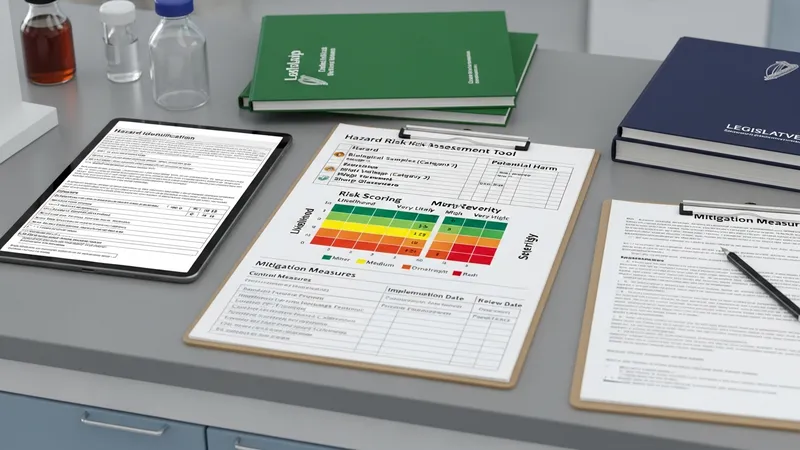
Most risk assessment platforms offer structured frameworks that can include hazard identification, risk scoring matrices, and suggested mitigation actions. For example, templates from the University of Limerick guide users through step-by-step identification of risks in laboratory settings, assigning risk levels based on likelihood and potential impact. This standardization can assist organizations in maintaining consistency across their risk documentation and processes.
Many Irish risk assessment tools, such as AuditNet’s toolkit, now support digital processes and data-driven analytics. This transition towards electronic risk records enables easier tracking, updating, and reporting. Additionally, digital platforms often include audit trails, version control, and user access management—features that support organizational governance and accountability.
It is common for larger Irish organizations, especially those in regulated industries, to combine multiple tools to address different risk domains. For instance, a firm may use BeSMART for occupational safety, sector-specific templates for unique business risks, and an audit toolkit for process or financial risk. This integrated approach can enhance overall risk visibility but may also increase the need for coordination and alignment across systems.