
UK Property Buyers: Understanding Legal Checks, Searches, And Conveyancing

Environmental, water and drainage searches in UK property due diligence
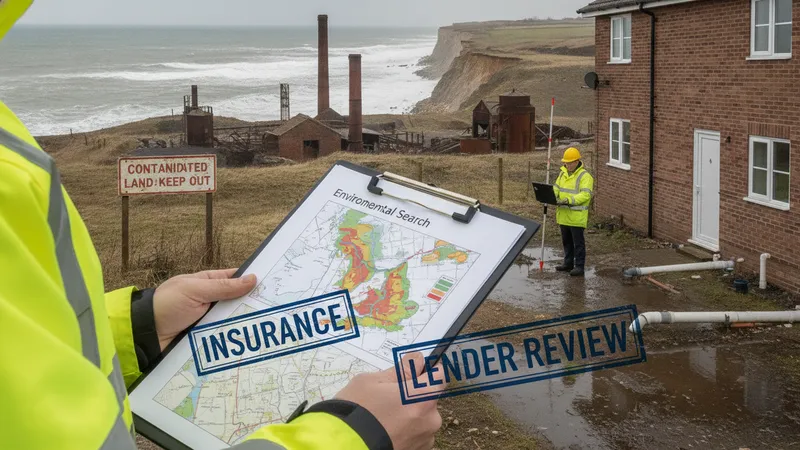
Environmental searches use data from the Environment Agency, local authority records and historical land use to assess flood risk, contamination and other hazards. The UK’s Flood Map for Planning provides a public indicator of flood zones that may affect planning permissions and insurance. For properties near former industrial sites or on reclaimed land, supplementary contaminated land or ground stability reports may be advised. These datasets typically inform whether specialised surveys or remediation assessments are warranted before proceeding.
Flood risk is often expressed by zone or probability, and lenders may request flood risk assessments where maps indicate heightened exposure. Insurance availability and premiums can be affected by flood designation, though designation alone does not determine mortgage approval. In rural or coastal areas, additional considerations such as coastal erosion or surface water flood risk can factor into both insurance and planning permissions; buyers commonly note these elements when reviewing long-term occupation plans.
Water and drainage enquiries are usually addressed to the local water and sewerage company and may confirm whether the property drains to public sewers or relies on private systems such as septic tanks. Public sewer adoption status can affect who is responsible for maintenance. Where drains cross neighbouring land, easements or maintenance agreements may be relevant. In some cases, local water companies provide maps or asset records for a fee that conveyancers review alongside building surveys and planning records.
Environmental and water-related findings typically prompt consideration of further technical advice rather than immediate transaction refusal. For example, a contamination flag may lead to a targeted soil investigation or a management plan. Where minor issues are identified, indemnity insurance or contractual adjustments may be considered. These options often balance cost, timing and residual risk and are normally evaluated in relation to the buyer’s priorities and any lender requirements.