
Truck Driver Salary 2026: Regional Wage Trends And Cost Of Living Considerations

Experience levels, endorsements, and other factors that influence driver earnings
Experience typically correlates with access to higher pay scales or preferred lane assignments. Entry-level drivers may start on local or shorter regional routes with base pay scales, while drivers with multiple years of safe operation often qualify for higher per-mile rates or targeted route assignments. Record-keeping of hours of service and safety performance can influence an individual driver’s ability to secure higher-paying assignments within certain fleets.
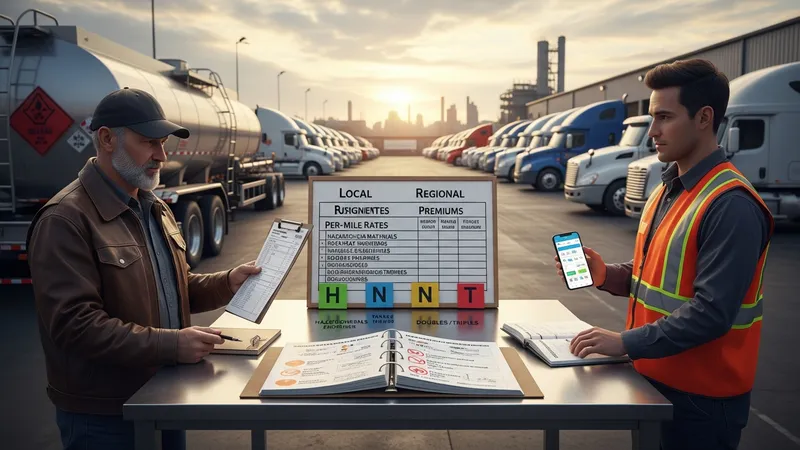
Endorsements such as hazardous materials (H), tanker (N), and doubles/triples (T) commonly expand the range of freight types a driver may operate and are often associated with pay premiums. The size of any premium varies by carrier and freight market conditions; in some markets, endorsements may add a modest per-mile uplift or be reflected in hourly differentials for assigned loads. Drivers who maintain required certifications and compliance records may find more consistent access to loads that include these premiums.
Other influential factors include fleet type (private fleet versus for-hire carrier), union representation, and freight specialization (e.g., refrigerated, flatbed, bulk tanker). Private fleets may offer different stability and benefit patterns compared with for-hire carriers, while unionized operations may present negotiated wage scales. Specialized freight often requires additional training or equipment familiarity, which can change compensation frameworks.
Seasonal demand, local labor supply, and broader economic conditions also play roles in shaping earnings in 2026. During periods of higher freight demand, carriers may increase premiums or bonuses to attract experienced drivers for specific lanes. Conversely, softer freight markets may compress pay differentials. Analysts commonly view these dynamic elements as factors to monitor rather than permanent determinants of pay in any single region or fleet.