
Truck Accident Attorney: What To Expect During An Initial Consultation

A first meeting with a lawyer about a large-vehicle crash is an early, focused review of facts that helps clarify legal pathways and practical steps. During this initial conversation, the attorney typically gathers a chronological description of the incident, identifies involved parties, and notes visible injuries or property damage. The meeting usually serves to determine which records and evidence will be relevant, outline possible procedural avenues, and set expectations about documentation needs and timing for follow-up information.
In practical terms, the initial discussion often covers who was present, where and when the event occurred, whether law-enforcement or regulatory reports exist, and whether any immediate preservation steps are needed for physical or electronic evidence. Confidentiality standards generally apply to the exchange, and the attorney may explain the scope of the early assessment without providing definitive legal outcomes. The goal is typically to establish what additional information will be required to evaluate potential claims or defenses.
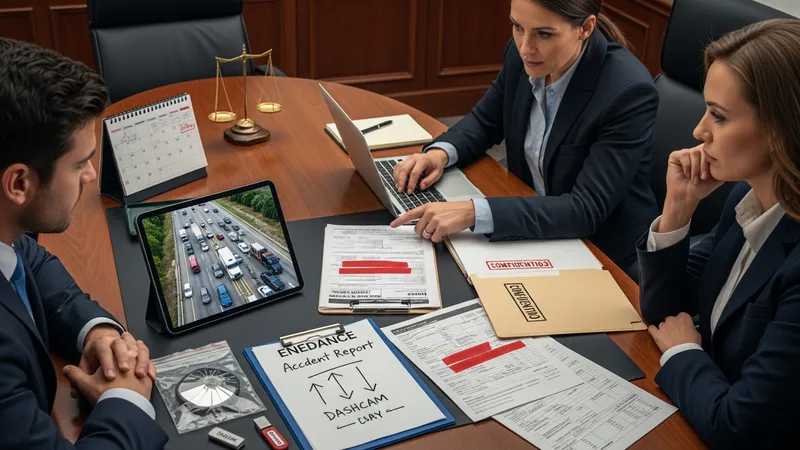
- Document checklist — common items include police or crash reports, photographs, medical summaries, repair estimates, and contact information for witnesses and involved drivers.
- Investigation methods — examples are scene inspection notes, requests for vehicle electronic data (event data recorder), witness interviews, and review of carrier maintenance records.
- Fee and representation frameworks — typical approaches discussed may include contingency arrangements, hourly billing, or limited-scope engagements, each described in general terms without commitment.
When assessing liability elements during the initial review, attorneys often consider factors such as vehicle weight and configuration, federal and local regulations that may apply to commercial drivers, and evidence of operator fatigue or improper maintenance. Records like driver qualification files, maintenance logs, and hours-of-service documentation can be particularly relevant in cases involving commercial carriers. The attorney may describe which of those records are usually sought and how they could influence preliminary legal theories, while avoiding definitive judgments at this stage.
Medical and economic documentation commonly shapes the early assessment of damages. Attorneys typically note that contemporaneous medical records, billing statements, and employer verification of work absence are informative for estimating impact. Photographs of injuries, treatment summaries, and diagnostic reports can help establish timelines and causation questions. The initial meeting may identify gaps in documentation and suggest what records could be gathered to support a clearer assessment.
Interactions with insurers and regulatory entities are often part of the early discussion. An attorney may explain the difference between reporting to an insurer and preserving evidence for potential legal claims, and how immediate notifications or recorded statements could affect later proceedings. The consultation can also cover timelines imposed by statutes of limitations in the relevant jurisdiction and why early preservation of evidence is commonly recommended as a precautionary matter.
The initial meeting frequently functions as a planning step that outlines likely investigative actions and administrative tasks that follow. Attorneys may describe potential next actions such as requesting records, interviewing witnesses, and obtaining expert reviews, clarifying that the specifics can vary based on the case facts. This planning helps set realistic expectations about timeframes and the types of professionals who might be involved. The next sections examine practical components and considerations in more detail.