
The Role Of Cryogenic Equipment In Modern Industries

Revolutionizing the Electronics Industry
The electronics industry has quietly adopted cryogenic technology, targeting improved performance and longevity of components. When semiconductors operate at lower temperatures, their efficiency skyrockets. Could we be on the brink of a technological revolution driven by cryogens?
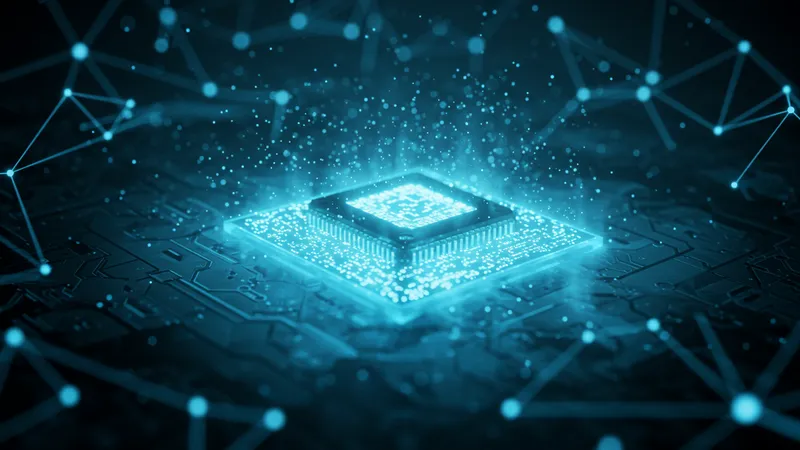
Semiconductors are the backbone of modern electronics. They’re used in everything from smartphones to supercomputers. By reducing thermal noise through cryogenics, both speed and reliability in semiconductor performance are significantly enhanced. These advancements might soon trickle down to consumer-level products.
Energy consumption reduction is another huge benefit. As devices function more efficiently at cooler temperatures, less energy is required to maintain peak performance. This not only means cost savings but also aligns with global efforts to curb energy usage in high-demand sectors like data centers.
Surprisingly, cryogenics could enable new breakthroughs in quantum computing. These computers require extremely low temperatures to operate. If successful, we could see an exponential increase in computing power, tackling problems previously deemed unsolvable. It’s the tip of the iceberg, but it could reshape our digital future in unimaginable ways.