
The Role Of Cryogenic Equipment In Modern Industries

Environmental Impact: The Double-Edged Sword of Cryogenics
Cryogenics, while innovative, presents both challenges and opportunities for environmental sustainability. One pressing concern is the energy consumption involved in achieving and maintaining extremely low temperatures. Yet, initiatives are underway to convert traditional energy sources into renewable counterparts.
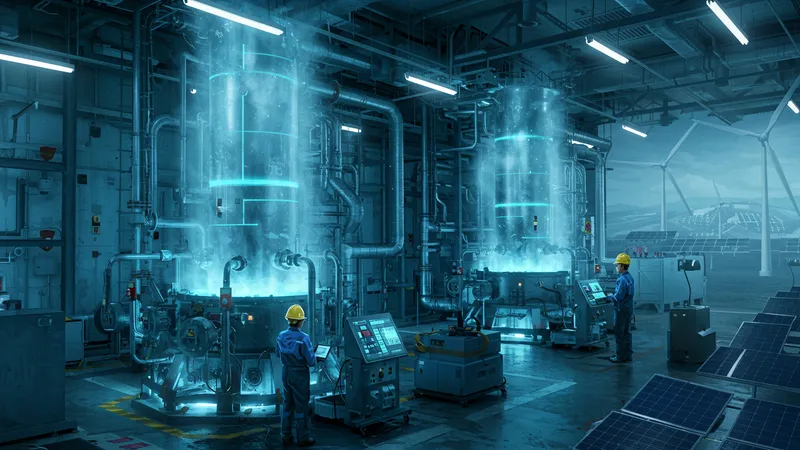
Renewable cryogenics is evolving. Engineers are working on advanced insulation techniques and energy-efficient systems to reduce the carbon footprint of cryogenic facilities. The potential lies in scaling these solutions to industrial levels, significantly reducing global energy consumption in non-obvious parts of our economy.
Interestingly, cryogenic technology also offers greener solutions. Liquefied natural gas (LNG) is a cleaner burning fuel alternative enabled by cryogenics. With global energy demands soaring, LNG provides an interim measure, bridging the gap between fossil fuels and renewables. This is an ongoing transformation in manufacturing and transportation sectors.
Yet, as industries increasingly adopt cryogenic methods, ecological footprints can grow if not managed carefully. It’s a balancing act between technological advancement and environmental responsibility. The paradox is clear: cryogenics could either exacerbate or alleviate environmental challenges faced by industries today. What comes next might just be the key to a sustainable future.