
The Future Of Transportation: How Electric Cars Are Changing The Automotive Industry

Autonomous Electric Vehicles: Combining Two Revolutions
The dream of a self-driving future is intricately tied to the electric vehicle revolution. Much of the cutting-edge research in autonomy is being applied to electric cars, promising not just cleaner, but also smarter transportation solutions. Companies like Waymo and Tesla are paving the way with their autonomous technologies, which could drastically reduce traffic accidents and fatalities. But how soon will ‘autonomous’ become the new norm?
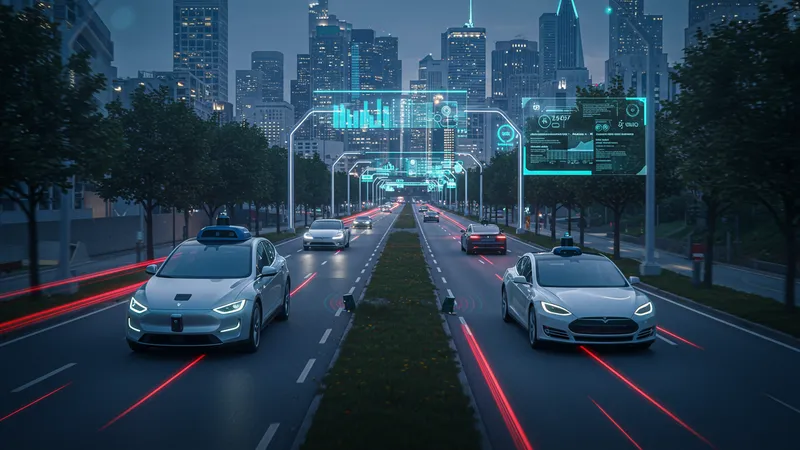
While technology races forward, legal and ethical considerations lag behind, posing challenges to widespread adoption. Who is liable in the event of an accident? How do cars make critical ethical decisions? These questions are still being debated, impacting the rollout of fully autonomous vehicles. However, the potential benefits in terms of safety and efficiency are too significant to ignore, compelling industries to move forward despite uncertainties.
Moreover, the combination of artificial intelligence and electric technology offers a new landscape of possibilities. Autonomous EVs could one day lead to fleets of shared, self-driving cars that reduce private car ownership altogether. Imagine a seamless network of clean, efficient vehicles ready to transport you wherever you need to go, on demand. This vision challenges our current paradigms of transportation and urban planning.
Yet, the path forward isn’t straightforward. Developers are experimenting with a variety of models, from ride-sharing platforms to luxury autonomous vehicles. Each approach has its own potential disruptors and benefits, promising to cater to different market segments. How these efforts will harmonize with ongoing environmental goals remains to be seen. Could this fusion forever alter the roadmap for urban commutes?