
The Essential Role Of Conveyor Systems In Modern Industries

The Role of Conveyors in Pharmaceuticals
Conveyor systems have redefined efficiency in the pharmaceutical industry, facilitating mass production while maintaining stringent quality control. With ever-increasing demand for medications and vaccines, conveyors provide the backbone, ensuring consistent operation without compromising on safety standards. The pharmaceutical industry relies on these systems to pass stringent regulations and deliver products safely to market.
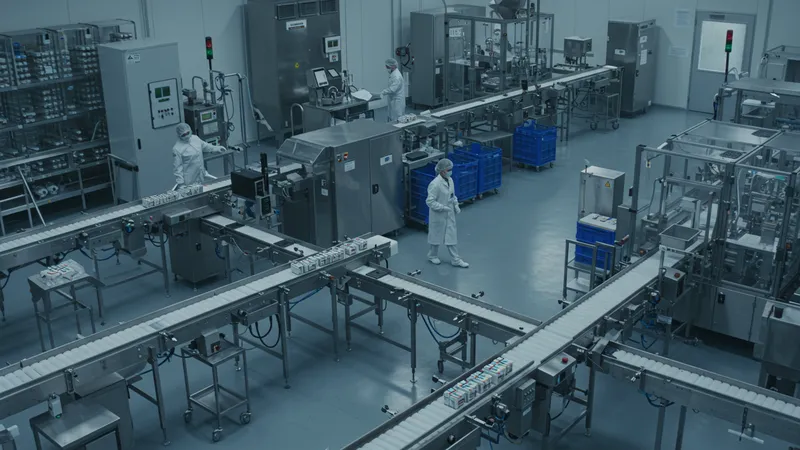
Temperature-controlled conveyors, for example, ensure pharmaceuticals remain within required climate conditions throughout processing. This is crucial for products sensitive to temperature variations, where deviations can drastically affect efficacy. The meticulous precision required by this industry underscores the importance of conveyors in maintaining product integrity and compliance.
Additionally, conveyors minimize human contact, reducing contamination risks—a priority in maintaining sterile environments. Automating repetitive tasks allows human workers to focus on quality assurance and oversight, reducing errors and improving overall production quality. Such integration of conveyor systems into pharmaceutical production showcases their pivotal role in meeting sector challenges head-on.
Yet, with these systems’ indispensable nature comes the necessity for continuous improvements and adherence to evolving standards. Regulatory bodies frequently update guidelines, necessitating that conveyor systems evolve to maintain compliance. It is a relentless yet crucial task to uphold the consistent quality and reliability of pharmaceutical products. How the sector responds to these demands will shape its future operational landscape.