
Texas Towns: Key Factors To Evaluate When Planning A Move In 2026

Climate, Environmental Risks, and Long-Term Resilience Considerations
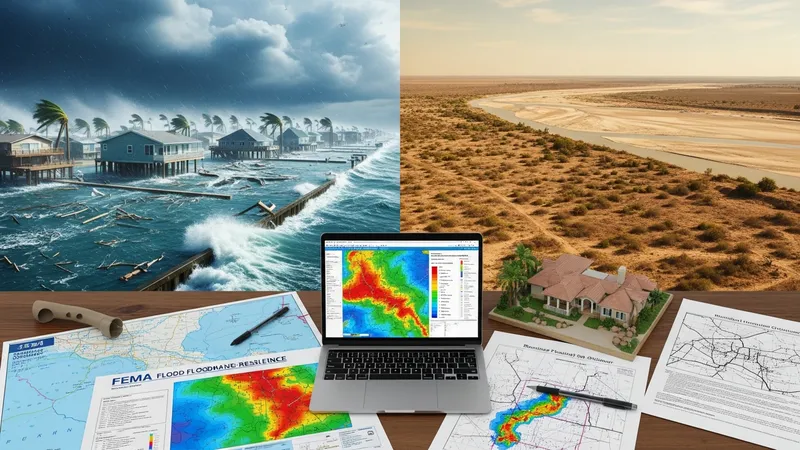
Climate and environmental risk profiles differ across regions of Texas and can influence infrastructure stress, insurance considerations, and maintenance planning. Coastal towns may typically face hurricane and storm-surge exposure, while interior and western areas may experience higher heat and drought stress. FEMA flood maps, state climatology reports, and regional hazard assessments may help identify which physical risks are more prevalent at a given location without implying precise future outcomes.
Floodplain status and elevation relative to sea level or local waterways can affect insurance premiums and building requirements. FEMA flood maps and local drainage plans may indicate areas subject to repetitive flooding or areas targeted for mitigation projects. Households may review these maps alongside municipal floodplain ordinances and recent flood insurance rate maps to understand how flood-related regulations could affect property use and costs.
Heat and drought trends can have implications for energy use and water supply planning. Higher cooling demand during hotter summers may increase household energy consumption, and local water utilities may institute drought contingency measures if supplies are strained. State water planning documents and regional water utility reports can provide context on typical supply sources and planned infrastructure investments that may affect long-term reliability.
Long-term resilience measures such as updated building codes, managed retreat planning, or municipal climate adaptation strategies may be present in some Texas towns and not in others. Reviewing local comprehensive plans, hazard mitigation plans submitted to FEMA, and city council records can reveal whether a town is actively planning for physical risks and what kinds of capital projects or policy changes may be under consideration to address them.