
Tech Driven Lifestyle Products: How Innovation Shapes Everyday Living

Technology-oriented lifestyle products refer to tools, devices, and systems that embed digital capabilities into daily life. In France, these products often include smart appliances, connected home solutions, and personal digital devices designed to increase ease, comfort, and functionality. Their prevalence is influenced by advancements in French digital infrastructure and the integration of innovation into consumer habits.
Developments in French tech sectors have supported the adoption of connected lifestyle products in households and public spaces. These items may connect to the internet or local networks, enabling automation, remote control, and real-time monitoring. Common use cases in France include optimizing home energy use, managing routines, and supporting mobility through urban environments.
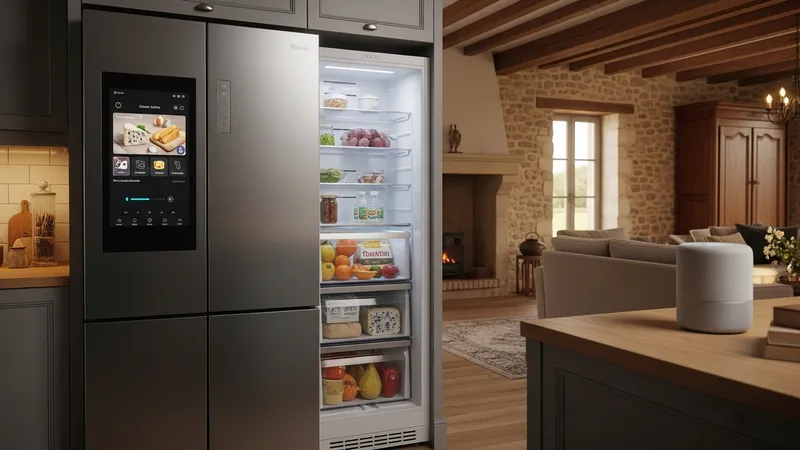
- Connected Home Hubs (e.g., Enki by Leroy Merlin): Centralized smart home platforms allow users in France to control lighting, heating, and security from a single app. Price range: approx. 90–200 €.
- Smartphones with NFC and eSIM capabilities: Widely used in France for mobile payments, transport passes, and digital identification. Typical pricing: 200–1,200 €, depending on brand and model.
- Vigik Access Control: Secure RFID-based door entry systems, commonly deployed in French apartment buildings for resident and delivery access. Installation may range from 800–2,000 € per entry point.
French households are increasingly integrating connected devices that automate daily processes. Smart thermostats, voice assistants, and app-controlled lighting contribute to energy management and customized environmental settings. This shift, while observed worldwide, reflects unique regional adoption patterns in France due to supporting infrastructure and policy incentives.
Personal digital devices in France, such as smartphones and wearables, are adjusted to local standards, supporting functions like NFC-based transport payments (Navigo pass integration) and digital health certificates. Compatibility with French platforms ensures these products align with public and private sector services.
Public and shared spaces in French cities often deploy connected systems that enhance daily life. Examples include contactless entry to buildings via solutions like Vigik and smart benches that provide Wi-Fi and device charging. These integrations reflect shifting societal expectations regarding convenience and digital interaction.
The combination of design, regulatory frameworks, and user preferences in France guides how tech lifestyle products are deployed. Selection is typically based on compatibility with local infrastructure, privacy considerations, and alignment with urban initiatives for smart living.
Innovation in tech-driven lifestyle products in France continues to progress in tandem with digital policy and consumer behavior changes. The next sections examine practical components and considerations in more detail.