
Tax Minimization Strategies: Key Approaches For Small Business Owners

Deductions and Credits: Commonly Utilized Strategies
Small business owners may access a variety of deductions that typically reduce reported taxable income. Commonly utilized deductions include office supplies, business travel expenses, certain professional fees, and advertising costs. To be allowable, expenses must generally be considered ordinary and necessary for business operations by IRS standards. Maintaining detailed records is important for substantiating deduction claims in the event of an audit.
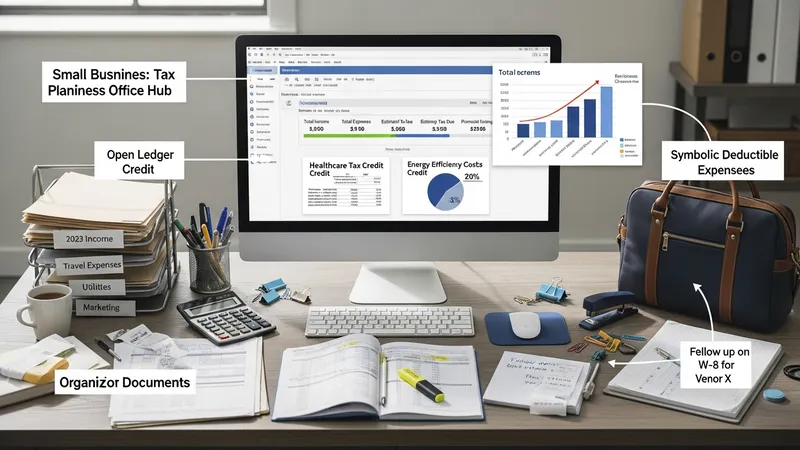
Tax credits are another factor in minimizing overall tax liability. Credits differ from deductions by directly reducing the tax owed rather than lowering taxable income. Examples for U.S. small businesses include the small business health care tax credit for eligible employers providing health coverage to employees, and energy-related credits applicable to qualifying property improvements. Credits often have specific eligibility requirements and application procedures.
Some deductions and credits are subject to phase-out thresholds or ceilings based on income, number of employees, or other criteria. For instance, the Section 179 deduction allows for the immediate expensing of certain types of equipment, but only up to a set limit ($1,160,000 in 2023, phasing out at $2,890,000 of qualifying purchases). Given these parameters, small business owners may benefit from reviewing IRS guidelines and consulting official documentation for eligibility tests.
The interplay between deductions and credits can affect the effective tax rate a business faces. While deductions reduce overall income, credits provide a dollar-for-dollar reduction on the tax bill. Accurate assessment, ongoing recordkeeping, and consideration of legislative updates are commonly recommended practices to remain compliant and to make informed decisions on eligible expenses and credits.