
Tardive Tremor: Understanding Causes And Clinical Features

Distinguishing Features and Comparison with Related Conditions in Tardive Tremor: Understanding Causes and Clinical Features
Distinguishing tardive tremor from other common forms of tremor is an important clinical consideration. Essential tremor, for instance, typically presents as a bilateral action tremor with a strong genetic component and is unrelated to medication use. In contrast, parkinsonian tremor often occurs at rest and is accompanied by other symptoms such as rigidity and bradykinesia. Tardive tremor, by comparison, is set apart by its probable link to chronic medication use and its delayed appearance relative to the initiation of treatment.
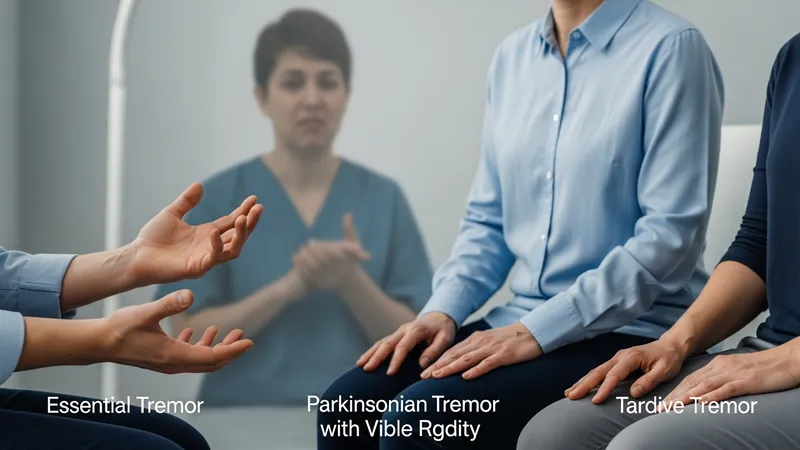
Another related movement disorder is tardive dyskinesia, characterized by repetitive, involuntary movements such as lip smacking or tongue protrusion. While tardive tremor may coexist with other tardive conditions, the pattern of shaking is usually slower and more rhythmic, rather than the rapid or irregular movements seen in dyskinesia. This difference aids in diagnostic workups and in determining the appropriate strategies for ongoing monitoring.
Comparisons with metabolic or systemic causes of tremor are also routinely considered. For instance, tremor associated with thyroid disease or medication side effects outside the tardive syndromes is investigated through laboratory and history-based assessments. These alternative considerations help prevent misattribution of symptoms and can inform the broader care approach for individuals experiencing tremor.
Ultimately, understanding both the similarities and differences among various tremor types may support better clinical identification and ongoing study of tardive tremor. Detailed documentation and regular follow-up are components frequently highlighted in academic discussions of these movement disorders, emphasizing the importance of a nuanced and longitudinal approach.