
Tardive Dyskinesia: Identifying Common Involuntary Movement Patterns

Observation and Monitoring of Involuntary Movements in Tardive Dyskinesia
The careful observation and documentation of involuntary movement patterns are important for individuals at risk or showing signs of tardive dyskinesia. Consistent monitoring over time enables tracking changes in movement characteristics, such as frequency, duration, and body regions involved. Health professionals often employ standardized assessment tools to offer detailed descriptions and allow for objective comparisons during follow-up evaluations.
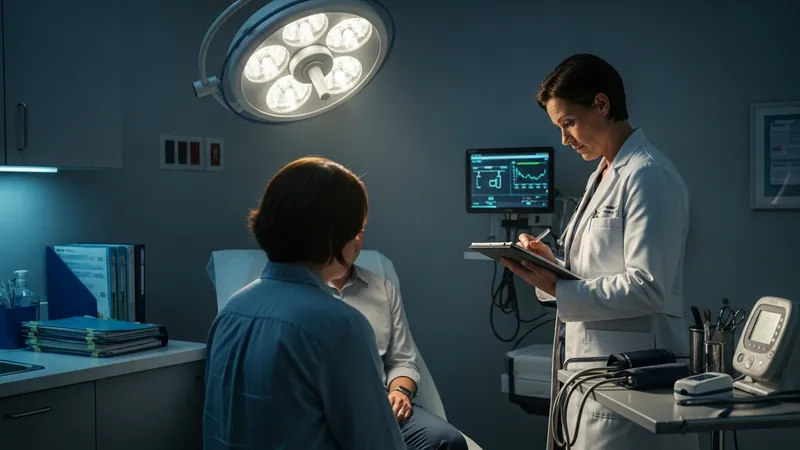
Recording the specific types of involuntary motions, such as the presence of facial twitches or pronounced limb activity, supports clinicians in distinguishing tardive dyskinesia from other related syndromes. Detailed accounts provide a valuable reference for tracking trends or progression, especially in complex cases where symptoms overlap with other neurological conditions.
Structured monitoring may also facilitate timely identification of changes, whether movements become more pronounced, stable, or decrease over time. This process is generally done in collaboration with medical professionals to ensure accurate and ongoing assessment, particularly for individuals altering or adjusting medication regimens.
As research continues, new observation techniques and technologies are being explored to further improve the neutral and objective documentation of movement patterns. Such advancements may help enhance understanding of tardive dyskinesia and support efforts in differentiating these involuntary motions from other types of movement disorders in both clinical and research settings.