
T Cell Cancer Treatment: Types, Methods, And Considerations

Monitoring and Assessment in T Cell Cancer Treatment Studies
Effective monitoring and assessment practices form a foundation for credible research on T cell cancer treatments. Laboratory teams typically track various outcomes, including T cell proliferation, receptor expression, and ability to recognize cancer cells in culture or experimental animal models. Flow cytometry, molecular assays, and imaging techniques are commonly employed to collect quantitative data about the cells’ behavior.
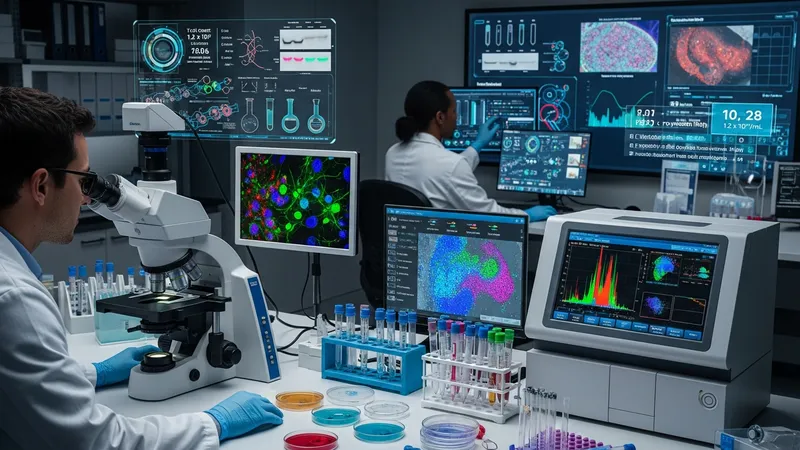
Clinical research designs often incorporate regular sampling of blood or tissue to monitor for the persistence and activity of modified T cells. Researchers observe biomarkers that may indicate how these cells interact with both target cancerous tissue and other organs. This process can help detect early signals of cellular expansion, persistence, or immune activation in response to the therapy under investigation.
Additionally, safety monitoring remains paramount. Early-phase research frequently includes protocols for early detection of adverse immune reactions, such as off-target effects or excessive inflammatory responses. Lab teams may halt or adjust treatment protocols based on predefined safety criteria, reflecting a general emphasis on controlled and monitored environments for all experimental methods.
Finally, longitudinal data collection enables researchers to observe potential effects over time. They may gather information about relapse, immune response durability, or molecular changes in the tumor or immune landscape. Each layer of assessment is designed to build a comprehensive picture of how T cell–based strategies operate within different experimental and patient settings, adding critical context to ongoing studies.