
Surgery Centers: Key Considerations For Potential Investors

Operational Models and Clinical Specialization in Surgery Centers
Operational models for surgery centers often reflect strategic decisions about the range of surgical specialties offered. Some ASCs focus on a single specialty such as orthopedics, ophthalmology, or gastroenterology, tailoring staffing levels and equipment inventories accordingly. Others adopt a multi-specialty approach, accommodating broader case mixes to diversify patient demand and payer types.
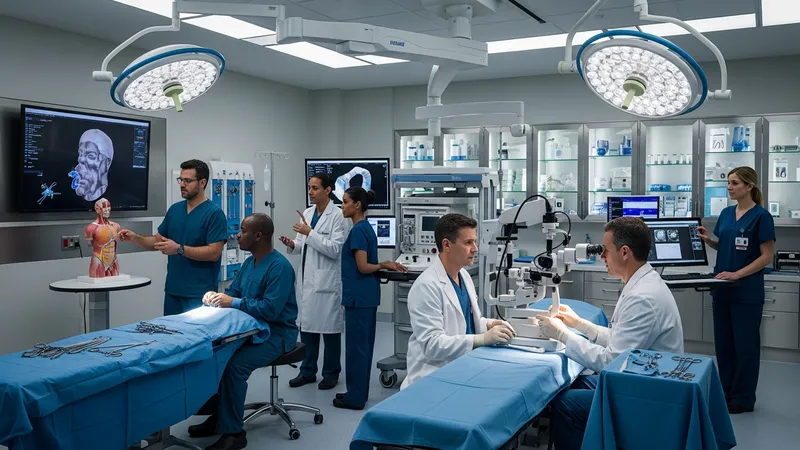
Resource allocation, including staffing models and supply chain management, is typically configured to achieve efficiency while maintaining clinical quality. Facilities may employ a mix of full-time and per diem staff to accommodate variable procedure volumes. Investment in information technology platforms, such as electronic health records and scheduling systems, is increasingly important for operational reliability and regulatory compliance.
Payer relationships and insurance contracts play a central role in determining service offerings and cash flow. Many surgery centers seek contracts with commercial insurers, Medicare, or Medicaid programs, each with distinct requirements for billing and reporting. Service pricing is often negotiated in advance, and fee schedules may be subject to policy changes. This contributes to variability in reimbursement timelines and overall financial predictability.
The range and types of procedures available influence the complexity of care and infrastructure requirements. Centers focusing on high-volume, lower-risk procedures may achieve operational efficiencies, while specialty facilities often rely on experienced surgeons and specialized technology. These operational considerations help inform the business case and forecast expected utilization and revenue.