
Supply Chain Forecasting: How AI Improves Accuracy And Efficiency

Data Sources Utilised in AI Supply Chain Forecasting in the UK
AI-based forecasting systems in the UK commonly incorporate structured datasets, such as historical sales figures, shipment records, and production schedules, to support model training and prediction. These data types are generally obtained from internal systems like ERP or CRM platforms hosted by retailers and manufacturers. Using robust, structured data may provide a reliable foundation for modelling recurring trends and identifying longer-term shifts in consumer demand.
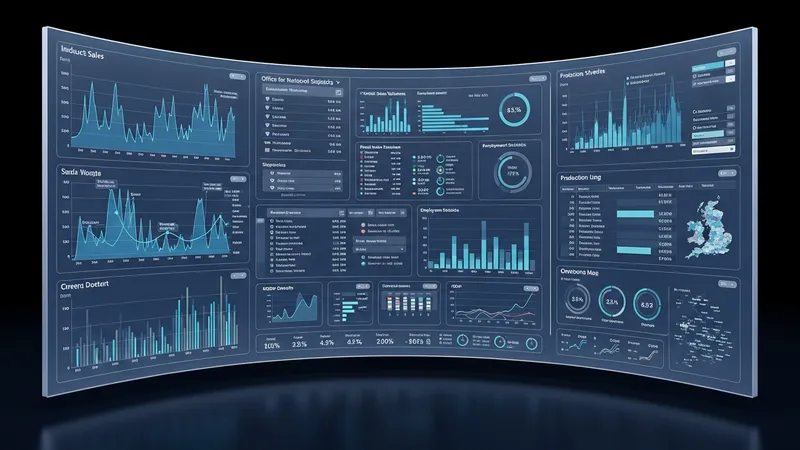
External data sources are also valuable in the UK context. AI forecasting systems may include publicly available datasets from the Office for National Statistics (ONS), weather providers such as the Met Office, and economic indicators from UK government departments. These inputs enable models to capture macroeconomic factors and local events that can influence supply chain outcomes without depending solely on organisational data.
Unstructured data, including social media sentiment and news updates, is another input sometimes factored into UK supply chain forecasts. Machine learning models can scan for changes in consumer attitudes, product popularity, or supply risk arising from logistical delays or disruption reports. This approach is still maturing but has shown potential in supporting companies to spot early signals of demand shifts, especially for promotional or seasonal lines.
Data governance is crucial in the UK due to regulations like the General Data Protection Regulation (GDPR). UK organisations must ensure compliance when collecting, storing, and processing both internal and external data. Suppliers of AI-based forecasting systems may offer features to support consent management and anonymisation, enhancing trust and regulatory alignment in the adoption of these analytical tools.