
Supplements For Men Over 50: Key Nutrients And Considerations In The USA

Regulatory, labeling, and purchasing considerations in the USA for men over 50
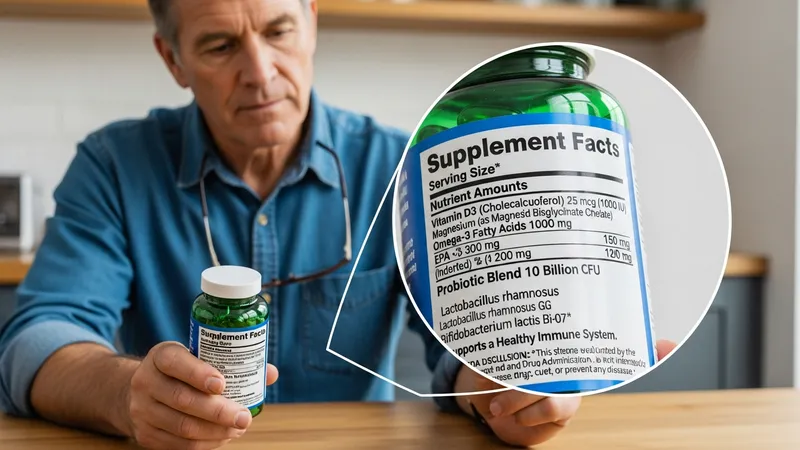
Label information is a primary source of consumer-facing detail in the U.S. market. U.S. supplement labels typically list serving size, nutrient amounts per serving, ingredient lists, and any structure/function claims (which must include a disclaimer that the claim has not been evaluated by the FDA). Ingredient transparency—including the chemical form of a vitamin, specified milligram amounts of omega-3 fatty acids, and strain identifiers for probiotics—helps clinicians and consumers interpret product intent and content.
Third-party testing and verification can supplement label information. Organizations such as U.S. Pharmacopeia (USP) and NSF International operate verification programs commonly referenced in the United States; they test for ingredient verification, contaminants, and manufacturing quality. U.S. purchasers sometimes consult these directories or verification marks as part of a broader evaluation that also considers clinical needs and cost.
Purchasing considerations in the U.S. market include retail source, price transparency, and return policies. Supplements are available through pharmacies, supermarkets, direct-to-consumer channels, and specialty retailers; each channel offers different degrees of product information and return practices. Because U.S. regulation does not require pre-market approval of dietary supplements, consumers and clinicians often look to label clarity, third-party testing, and authoritative guidance when choosing products for older adults.
Documentation and record-keeping are practical steps recommended in U.S. clinical contexts for anyone using supplements alongside prescription medications. Keeping an up-to-date list of all prescription drugs, over-the-counter medicines, and supplements can help U.S. clinicians identify potential interactions or duplications. These records are informational tools that may assist in periodic review and monitoring without implying any guaranteed outcomes.
Overall, decisions about supplement use among men over 50 in the United States are commonly informed by nutrient considerations, formulation details, safety and interaction profiles, and practical access and labeling factors. The material presented here is intended to explain these elements in an evidence-informed, neutral way to support further discussion with health professionals and informed reading of U.S. resources.